Pesticides in Australia: Is it even safe to consume berries These days?
I don’t usually write about food regulations. Most of the time, my work is centred around helping women rebuild trust in food, let go of dieting, and focus on nourishing themselves in a way that feels sustainable.
And I’m not someone who likes to create fear around food either.
In fact, I spend a good part of my career helping women become less afraid of food.
But every now and then, something happens that makes me stop and think, how is this really in the best interest of public health?
This week was one of those moments.
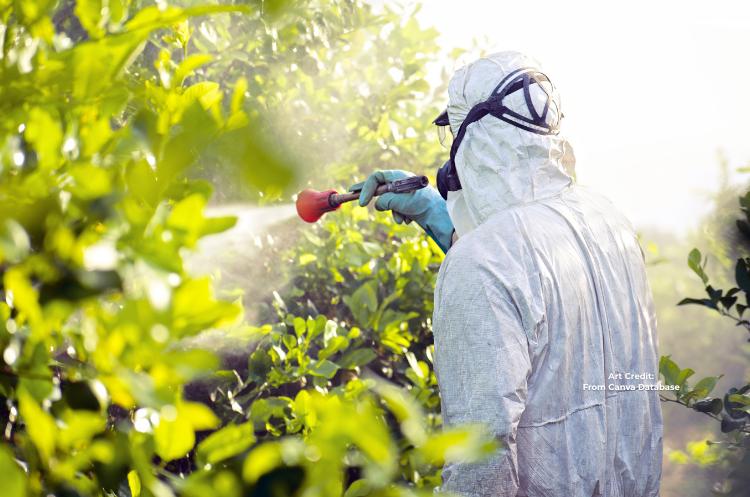
The Australian Pesticides and Veterinary Medicines Authority (APVMA) has proposed increasing the maximum residue limits (MRLs) for the pesticide isocycloseram on several berries sold in Australia.
Yes, the regulator says these proposed limits remain well below levels considered to pose a risk to consumers. But I can’t help but question whether this is really the direction we should be heading. (Spoiler alert: I don’t think so!)
If berries are one of the healthiest foods we can eat and are consistently recommended as part of a nutritious diet, shouldn’t our goal be to minimise unnecessary chemical exposure wherever reasonably possible?
More than anything, I felt disappointed. We place our trust in government agencies to protect our food supply and make decisions that prioritise public health, not just for today, but for future generations.
I understand that regulatory decisions involve complex scientific assessments and that no food system is entirely free from pesticides. However, when there is still uncertainty about the long-term effects of environmental chemical exposure, I can’t help but wonder why we’re asking, “How much residue is acceptable?” instead of, “How can we safely reduce it?”
Why this matters to me as a nutritionist
As a nutritionist, I spend my days encouraging women in perimenopause (and in any stage of their lives) to eat more fresh food. We talk about adding more vegetables, more legumes, more nuts and seeds, and yes… more berries. They’re one of the foods I recommend most often because the evidence behind them is so strong.
Berries are packed with fibre, vitamin C and polyphenols, including anthocyanins, which have been associated with better cardiovascular health, brain health and healthy ageing. They also provide important nutrients like manganese and folate, while supporting gut health, blood sugar regulation and our antioxidant defence systems. These are exactly the kinds of foods that become increasingly important during perimenopause, when the risk of cardiovascular disease, metabolic changes and inflammation naturally begins to rise.
So naturally, I found myself asking a question I never expected to ask: how am I supposed to confidently recommend eating more berries while reading that we’re increasing the amount of pesticide residue allowed on those same foods?
Perimenopause changes the conversation
Perimenopause isn’t just about hot flushes and irregular periods. It’s a time when our bodies are undergoing significant hormonal changes that influence almost every aspect of our health. Oestrogen plays a role in protecting our bones, cardiovascular system, brain, muscles and metabolism, and as those hormone levels fluctuate and decline, nutrition becomes one of the most powerful tools we have to support healthy ageing.
This is also why I think these conversations matter. We still don’t fully understand how lifelong exposure to multiple environmental chemicals may interact with hormonal health, particularly during vulnerable life stages like pregnancy, puberty and perimenopause. Some chemicals are known to interfere with hormonal pathways, while for others the evidence is still emerging. That uncertainty doesn’t mean harm is inevitable, but I do think it should encourage us to be cautious rather than complacent.
I’m not suggesting anyone stop eating berries. In fact, I think the opposite would do far more harm than good. The health benefits of eating fruit and vegetables are overwhelming and remain one of the strongest recommendations we can make. My concern isn’t the berries themselves; it’s whether we’re doing everything we reasonably can to keep these incredibly healthy foods as safe as possible.
Healthy food shouldn’t be a luxury
Whenever discussions about pesticides come up, someone inevitably says, “Just buy organic.”
If only it were that simple.
Organic produce is often significantly more expensive,especially in Australia, and for many families it’s simply not an option. Healthy food should never become something that only people with higher incomes can access with confidence. Every Australian deserves the opportunity to eat fresh, nutritious food without feeling they have to choose between their budget and reducing their exposure to synthetic chemicals.
The answer cannot be to place the responsibility entirely on consumers. Public health should create environments where the healthiest choice is also the safest and most accessible choice.
The decisions we make today affect tomorrow
One of the biggest challenges in environmental health is that we rarely see the consequences immediately. If there are long-term effects from repeated exposure to certain chemicals, they may take decades to become apparent. By then, an entire generation (or even several generations) may already have been exposed.
I’m not saying that this proposal will inevitably cause harm, because the truth is we simply don’t know. But that’s exactly my point. We won’t know the full impact for many years, and by the time the evidence is clear, we can’t go back and undo the decisions we’ve made today.
History has taught us that our understanding of chemical safety evolves. There have been many substances once considered safe that were later restricted as new evidence emerged. This is a reminder that caution matters.
My hope
As a nutritionist, I’ll continue encouraging women to eat plenty of fruit, vegetables, legumes, nuts and whole foods because the evidence supporting their health benefits is incredibly strong. That advice isn’t changing.
What I hope changes is the standard we expect from the systems designed to protect our food. I want to be able to recommend fresh food with complete confidence, knowing that every reasonable effort has been made to minimise unnecessary chemical exposure. I want public health decisions to reflect not only what is legally acceptable today, but also what gives future generations the best chance of living healthier lives.
Surely that should be the goal. Happy to hear your opinion on this matter.
Wishing us all better health and access to better-quality fresh food.