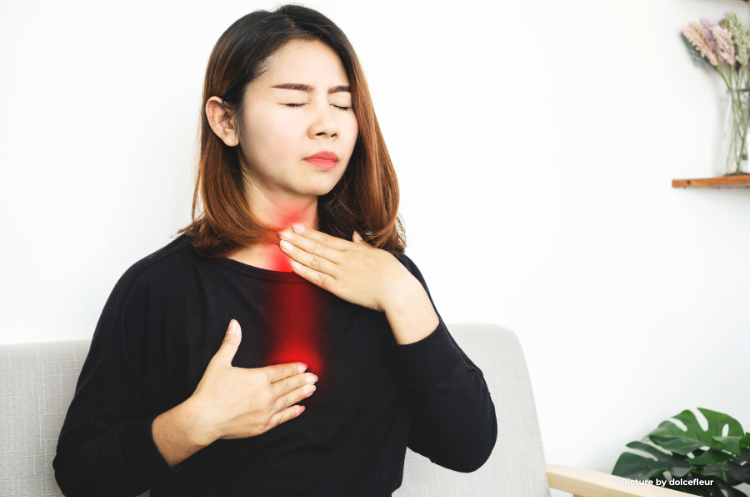
Heartburn is an unwelcome guest at the best of times, but for many women, it can become more frequent and bothersome during perimenopause. Understanding the connection between perimenopause and heartburn is a key step to managing this uncomfortable symptom and feeling more settled in your daily life.
Understanding the Link Between Perimenopause and Heartburn
As hormonal changes begin to unfold, you might notice some unexpected digestive symptoms, including heartburn. This isn’t just coincidence. There’s a meaningful relationship between perimenopause and heartburn, which is rooted in how hormones interact with your digestive system.
Many women who never struggled with indigestion or acid reflux before find themselves suddenly dealing with burning sensations in their chest, throat discomfort after meals, or needing to reach for antacids more often than usual.
Why Heartburn Can Become More Common in Perimenopause
Hormonal Changes and Digestive Health
- Oestrogen and progesterone, the major female hormones, normally help relax and regulate the muscles of your digestive tract. As their levels fluctuate and decline in perimenopause, these muscles,including the lower oesophageal sphincter (the “valve” that keeps stomach acid where it belongs) may become less effective.
- Fluctuating hormones can also slow down digestion, increasing the risk of acid reflux and bloating.
- Changes in your balance of gut bacteria and increased inflammation are more common in perimenopause and can make your digestive system more sensitive.
Lifestyle Factors That May Worsen Heartburn
- Diet: Large, fatty, or spicy meals can more easily provoke reflux when your body is more sensitive.
- Alcohol, caffeine and peppermint: Both can relax the oesophageal sphincter, making reflux worse.
- Eating late at night: It takes longer to digest food as you age, so eating close to bedtime can trigger nighttime heartburn.
- Laying down soon after eating: If you lay down with a full stomach, pressure on the oesophageal sphincter can cause or worsen reflux.
- Stress and poor sleep: Heightened stress is common in perimenopause and can slow digestion and increase acid production.
Other influences, such as weight gain, which sometimes associated with hormonal changes, or reduced physical activity, can also contribute to more frequent symptoms.
Is Heartburn a Symptom of Perimenopause?
While heartburn may not always make the list of classic perimenopause symptoms, research and clinical experience show it’s surprisingly common. The hormone shifts that define perimenopause can lead to new digestive sensitivities, and minor digestive upsets can become more noticeable or harder to resolve.
If heartburn appears alongside other perimenopausal symptoms, such as changes in your period, hot flushes, or trouble sleeping, it’s likely part of the hormonal transition.
How to Manage and Ease Heartburn During Perimenopause
Nutrition and Eating Habits for Relief
You have more power than you think when it comes to taming heartburn. Consider these gentle, practical strategies:
- Eat smaller, slower meals: Rushing increases air swallowing and bloating, making reflux more likely.
- Be mindful: Chew your food properly, be present when eating.
- Choose soothing foods: Oats, bananas, steamed vegetables, and lean proteins are less likely to provoke symptoms.
- Limit known triggers: Identify and reduce foods that worsen your symptoms, such as onions, garlic, tomatoes, chocolate, caffeine, alcohol, citrus, peppermint tea and highly processed snacks.
- Stay upright after eating: Sitting or walking gently after meals helps keep stomach acid in place.
- Aim for early dinners: Allowing time for digestion to take place.
- Prioritise gut health: Aim for a diverse, plant-rich diet and notice whether certain foods (such as dairy or sugar rich foods for example) impact your comfort. In some cases, removing or reducing certain foods can result in fewer symptoms.
Note: If you consider supplements (like digestive enzymes, magnesium, or probiotics) for relief, always consult your GP or registered nutritionist first to ensure they are appropriate for your circumstances and do not interact with medicines or underlying conditions.
Note II: Avoid excessive self-prescribed over-the-counter antacids as they can have negative side effects on your digestion in the long run.
Simple Behavioural Shifts
- Practise stress reduction, such as gentle movement, breathing exercises, or mindfulness.
- Avoid lying down or vigorous exercise straight after a big meal.
- Raise the head of your bed if heartburn wakes you at night.
When to Seek Medical Advice
Heartburn is common in perimenopause, but not every case is hormonal in origin. You should seek the advice of your GP if:
- Heartburn becomes severe, persistent, or happens more than twice a week.
- You notice difficulties swallowing, unexplained weight loss, chest pain, or vomiting.
- Symptoms don’t improve through simple dietary or lifestyle changes.
A healthcare professional can help you rule out other conditions, such as ulcers or issues with your heart or thyroid, which occasionally present with similar discomfort.
Final Thoughts
Heartburn during perimenopause is both common and manageable with the right changes to your habits, both in the kitchen and in how you approach self-care. With gentle adjustments to your diet, attention to your digestion, and awareness of your body’s signals, you can find significant relief and stay empowered on your journey through this hormonal transition.
If you’re ready to take those steps in a supportive, judgement-free space, join my free Facebook group Beyond Diets | Nutrition & Lifestyle for Women in Perimenopause — where knowledge turns into action, and habits turn into lasting change.