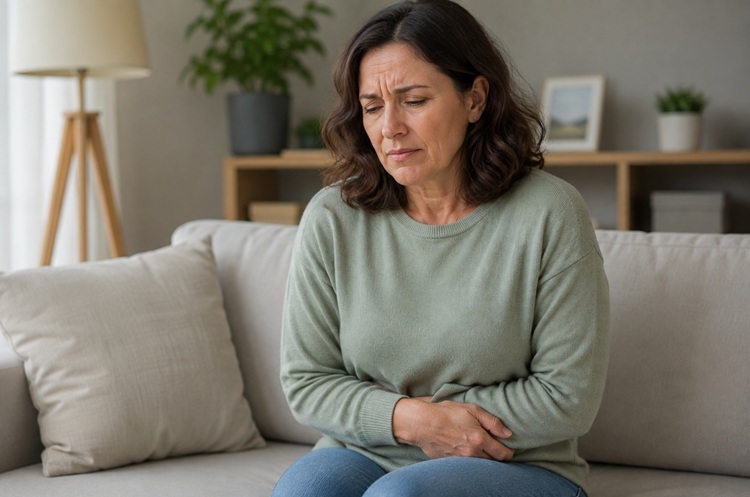
If you’ve started experiencing digestive issues alongside other changes in midlife, you might be wondering about the connection between diarrhea and perimenopause.
While this isn’t always openly talked about, many women notice their gut becomes more unpredictable as their hormones shift. Let’s explore why this happens, what’s normal, and how you can feel more at ease—starting today.
Understanding the Link Between Diarrhea and Perimenopause
Digestive upsets can catch you off guard during perimenopause. You may start to notice your system reacts differently to foods, or that you have bouts of loose stools at certain times of the month. This is not your imagination; your gut and hormones are closely linked, and fluctuations in oestrogen and progesterone can directly affect digestion.
Why Digestive Changes Happen During Perimenopause
Perimenopause sets off a cascade of changes throughout your body, including your digestive tract. Several mechanisms play a role:
- Hormone fluctuations can alter muscle contractions in the intestines, making digestion faster or slower.
- Changing levels of sex hormones influence gut bacteria and immune function, which in turn impact inflammation and sensitivity.
- Sleep disruption and increased stress—both common in perimenopause—can worsen digestive symptoms.
The Role of Hormones in Gut Health
Oestrogen and progesterone don’t just regulate your cycle. They help to balance inflammation, support immune health, and keep the lining of your gut healthy. As these hormones fluctuate, your gut microbiome (the community of bacteria in your digestive system) may shift as well. This can make your system more sensitive to certain foods and increase your risk of both diarrhea and constipation.
Is Diarrhea a Common Symptom of Perimenopause?
While hot flushes and night sweats usually get all the attention, diarrhea and other gut changes are more common than many expect. For some, these issues are mild and come and go. Others find their symptoms more persistent, especially around their period or during times of high stress. Understanding the patterns can help you feel more in control and know when it’s time to get help.
Diarrhea Around Your Period: What’s Normal?
Many women experience digestive changes right before or during their periods, thanks to fluctuations in hormone levels. During perimenopause, this effect can intensify, leading to:
- Sudden or urgent bowel movements just before or during your bleed
- Loose stools or diarrhea that resolve after your period ends
- More sensitivity to certain foods or irritants at specific times in your cycle
This pattern is usually temporary and often linked to natural hormone ebb and flow.
When to Worry: Persistent or Severe Digestive Issues
Most gut symptoms during perimenopause are temporary, but you should pay attention if:
- Diarrhea is ongoing for more than a couple of weeks
- There’s unexplained weight loss, blood in your stool, or severe cramping
- You’re losing sleep, unable to work, or struggling with dehydration
These signs may point to infections or conditions needing prompt medical review (such as IBS, IBD, coeliac disease, or even early signs of colon cancer).
Practical Strategies for Managing Diarrhea in Midlife
There are several ways to support your digestive health and minimise discomfort during perimenopause.
Nutrition and Hydration Tips
- Eat a variety of vegetables and healthy starches for fibre and gut health
- Avoid highly processed foods and refined sugars, which can disrupt your microbiome
- Identify and limit foods that trigger symptoms—dairy, gluten, or high-histamine foods are common culprits for some women
- Stay hydrated with water and add a pinch of salt or oral rehydration solutions if you’re losing lots of fluid due to diarrhea
- Consider eating smaller, more frequent meals to ease digestion
Note: If you are considering supplements—like probiotics, zinc, or vitamin B6 for gut health—always consult your GP or a qualified nutritionist for guidance. Supplements are not suitable for everyone and may interact with medications or existing health issues.
Lifestyle Adjustments for Digestive Comfort
- Keep a food and symptom journal to help spot patterns and triggers
- Practice stress management: yoga, meditation, or gentle walking can all help reduce gut-related symptoms
- Prioritise sleep, which is closely tied to both hormone and gut balance
- Be careful with alcohol and caffeine, both of which can irritate the bowels
By developing a routine that includes supportive foods, regular movement, and downtime, you’ll help both your digestive system and your hormones work more smoothly together.
When to Seek Medical Advice
Never hesitate to reach out to your GP if:
- You have diarrhea that doesn’t resolve within two weeks
- There are alarming symptoms such as blood in your stool, significant weight loss, fevers, or severe pain
- You notice any substantial new changes in your digestive habits
Getting professional advice can help you rule out underlying conditions and get started on effective, individualised treatment. Don’t wait if symptoms affect your work, sleep, or quality of life.
Final Thoughts
Every woman’s experience of perimenopause is unique—and that includes the ups and downs of gut health. Diarrhea and perimenopause can be linked, but understanding the “why” empowers you to take practical steps for comfort and relief. With the right nutrition, hydration, and lifestyle adjustments, most symptoms can be managed effectively.