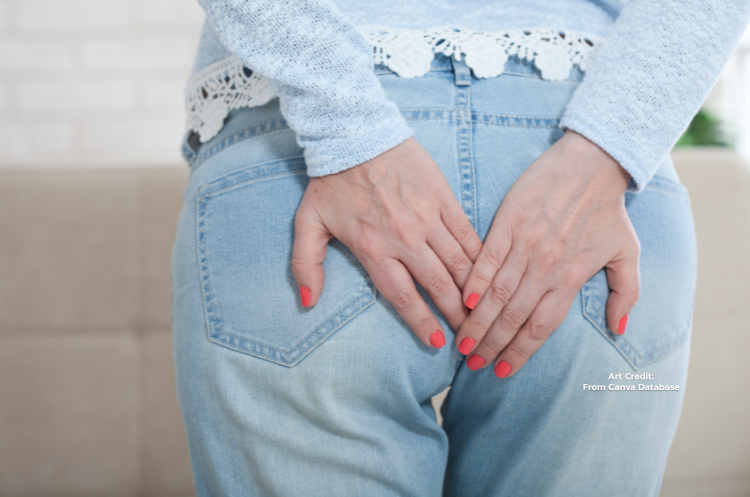
Hemorrhoids and perimenopause can be an uncomfortable pairing for many women. If you have noticed bleeding, itching, or pain around the anus as your periods change or become irregular, it is understandable to feel worried and uncertain about what is driving these symptoms.
This post explains why hemorrhoids may appear or worsen during perimenopause, what to watch for, and safe, practical steps you can take at home to ease symptoms and support digestive health.
It is also helpful to understand that digestive symptoms are not only biological, they can be driven or worsened by habits and lifestyle. The way you eat, hydrate, move, respond to stress, and structure your daily routines can strongly influence bowel function. Small daily habits often determine whether symptoms settle quickly or become recurring.
Understanding Hemorrhoids in Perimenopause
Hemorrhoids, also called piles, are swollen veins in or around the anus that can cause pain, itching and/or bleeding. They are common at any age, but several factors that change during perimenopause can make them more likely or more severe.
Perimenopause brings shifting hormone levels, and these hormonal fluctuations affect multiple systems in the body. Changes in oestrogen and progesterone can influence circulation, connective tissue quality and inflammation, which together may make the veins around the rectum more prone to swelling. Research and clinical discussion of perimenopausal symptoms note that hormone volatility is often linked to increased inflammation and a range of physical complaints, so it is not surprising that haemorrhoidal symptoms can appear or flare at this time.
From a behavioural perspective, midlife also brings practical changes. Many women spend longer hours sitting at desks, eating quickly between responsibilities, drinking less water or eating less fibre, especially during busy days, or experiencing disrupted sleep. These patterns can quietly influence digestive health and bowel regularity, creating conditions that increase haemorrhoid risk.
Why Hemorrhoids May Develop During Perimenopause
Hormonal Changes and Digestive Health
Oestrogen and progesterone help regulate fluid balance, tissue elasticity and immune responses. As these hormones become unpredictable during perimenopause, the body’s ability to manage inflammation and tissue repair may alter. This can contribute to increased sensitivity or swelling in vulnerable areas such as the anal veins.
Hormonal shifts also affect gut function. Perimenopause is associated with changes in the gut microbiome and digestive symptoms for many women; this gut-hormone interaction can raise general inflammation and influence bowel regularity, both of which are relevant to haemorrhoids.
At the same time, the nervous system plays a role. Stress hormones can slow digestion, alter bowel motility, and contribute to constipation. When stress is chronic, the gut often becomes less predictable, which can lead to straining and increased pressure in the rectal veins.
Lifestyle Factors and Increased Risk
Several non-hormonal factors commonly present in midlife also raise haemorrhoid risk. Constipation and straining during bowel movements are the main mechanical triggers, but other contributors include prolonged sitting, heavy lifting, low fibre diets, dehydration, and pregnancy history. Sleep disruption and chronic stress, both more common in perimenopause, can worsen digestion and increase inflammation, making episodes more frequent or severe.
Behavioural patterns around toileting also matter. Ignoring the urge to pass stool because of work commitments, rushing bathroom visits, or sitting on the toilet for extended periods while using a phone can all increase pressure in the rectal veins.
Improving bowel habits and reducing constipation are therefore central to reducing haemorrhoid incidents. Practical lifestyle adjustments often have a significant impact.
Recognising the Signs of Hemorrhoids and Piles
Hemorrhoids may be internal or external, and they present with a range of symptoms. Typical signs include:
- Bright red bleeding during or after a bowel movement
- Anal itching or irritation
- A lump or swelling near the anus, sometimes painful on touch
- A feeling of incomplete evacuation or rectal fullness
If you notice any of these symptoms, track how they relate to your bowel routine, diet and stress levels. Paying attention to patterns can help identify triggers, such as low fibre intake, dehydration, or periods of increased stress.
Symptoms that are severe, recurrent, include large amounts of bleeding, or are accompanied by faintness or dizziness need urgent medical assessment. Perimenopausal symptoms can be temporary for many women, but persistent or worsening haemorrhoid signs should always be evaluated by your GP.
Can Perimenopause Cause Hemorrhoids or Piles?
Perimenopause may not directly cause haemorrhoids, but it can create conditions that make them more likely. Hormonal changes influence tissue elasticity, circulation and inflammatory tone, while concurrent digestive disturbances, constipation and lifestyle factors commonly seen in midlife combine to increase risk.
Thinking of haemorrhoids as a multifactorial issue helps. Hormone related changes can lower the threshold for symptoms, and everyday triggers then prompt flare ups. Addressing both the hormonal context and the immediate mechanical causes gives the best chance of relief.
Behaviourally, this often means focusing on daily rhythms, consistent hydration, regular meals, and gentle movement that supports digestive function.
Effective Ways to Manage and Relieve Hemorrhoids
Most haemorrhoid symptoms can be eased at home with consistent, conservative care. Try the following practical approaches:
- Increase soluble and insoluble fibre gradually, through foods such as oats, beans, lentils, vegetables and whole grains. Fibre softens stools and reduces straining.
- Stay well hydrated, aiming for regular fluid intake across the day to support bowel regularity.
- Use gentle bulking supplements (for example, psyllium) if dietary fibre is insufficient, and take them with plenty of water.
- Avoid prolonged sitting on the toilet and minimise straining during bowel movements. If needed, use a small footstool to create a more natural squatting posture.
- Apply topical soothing measures such as sitz baths (warm water soaks) and gentle, fragrance free creams for short term symptom relief.
- Maintain regular, low impact activity such as walking, which supports bowel motility and circulation.
Remember: consistency matters more than intensity. Small, repeatable habits such as drinking water regularly, adding fibre gradually, and walking daily can significantly improve bowel function over time.
If symptoms are severe or do not improve with these measures, medical treatments ranging from prescription topical therapies to outpatient procedures are available and can be discussed with your GP.
Nutrition, Hydration, and Gentle Self-Care Strategies for Relief and Healing
Nutrition plays a central role in both prevention and recovery. A varied, wholefood based diet supports gut microbiome diversity and reduces systemic inflammation that may worsen haemorrhoids. Reducing ultra processed foods and managing alcohol intake can also help improve stool consistency and overall digestive health.
Regular meal timing can also support bowel rhythm. Eating at consistent intervals encourages predictable digestive patterns and can make bowel movements easier and more comfortable.
Supportive supplements are sometimes helpful, for example magnesium to support softer stools and certain fibre supplements to regularise bowel movements.
Probiotics may assist gut balance in some people. However, supplements should be introduced carefully and under professional guidance, especially if you take medications or have other health conditions. Clinical guidance for perimenopausal nutrition emphasises tailoring interventions to individual needs and considering gut health as part of the strategy for reducing inflammation and symptom burden.
Safety disclaimer: This post is for educational purposes only. Speak to your GP or a registered nutritionist before starting any new supplements or if you have persistent bleeding, severe pain, changes in bowel habit, or any worry about your symptoms.
Final Thoughts
Hemorrhoids and perimenopause often overlap because hormonal shifts, digestive changes and lifestyle factors come together in midlife. The good news is that many women find substantial relief through straightforward, consistent changes to diet, hydration, bowel habits and movement. When needed, medical treatments are effective and should not be delayed.