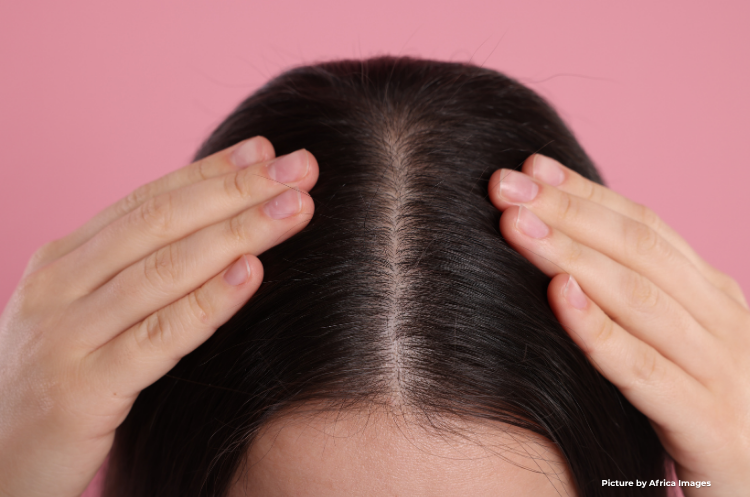
Experiencing an itchy scalp for the first time as you move through perimenopause can be both confusing and uncomfortable. While hot flushes and mood changes tend to get all the attention, scalp discomfort is another frequent but under-recognised issue during this phase. Understanding the link between perimenopause and itchy scalp can help you take practical steps to soothe irritation and restore comfort.
Why Does Perimenopause Cause an Itchy Scalp?
Hormonal fluctuations are the hallmark of perimenopause. As oestrogen and progesterone levels shift, the skin (your body’s largest organ) can become more sensitive. Your scalp is no exception, often reacting to these changes with dryness, tingling, itchiness, or a burning sensation. This response is a sign of how interconnected your hormones and skin health truly are.
In many cases, an itchy scalp during perimenopause signals that the protective barrier of your scalp has become less effective, leaving you more prone to irritation from hair products, water temperature, or environmental changes.
Common Triggers and Contributing Factors
Hormonal Changes and Skin Sensitivity
- Loss of Oestrogen’s Protective Effect: Oestrogen helps retain moisture in skin and scalp. When levels drop or fluctuate, dryness and irritation can become more pronounced.
- Change in Oil Production: The scalp may produce less natural oil, leading to tightness and flakiness.
- Increased Histamine Response: Some women become more sensitive to allergens due to hormonal changes, increasing the likelihood of scalp itching.
- Thinner skin barrier: The scalp becomes more sensitive to hair products, styling, or heat.
Lifestyle and Environmental Influences
- Harsh Hair Care Products: Frequent use of strong shampoos or styling products can exacerbate dryness and compromise scalp health.
- Heat styling: Excessive blow-drying or straightening irritates already dry skin.
- Diet high in sugar or processed foods: Promotes inflammation and can worsen dryness or itchiness.
- Low hydration: Dehydration leaves both skin and scalp more vulnerable.
- Climate Factors: Cooler weather, low humidity, and indoor heating all reduce moisture in the scalp, amplifying itchiness.
- Stress and Poor Sleep: Heightened stress and disrupted rest can worsen inflammation and skin sensitivity.
- Allergic reactions: Dyes, fragrances, or silicone-heavy hair products can trigger flare-ups.
Tip: If your scalp itch intensifies after trying a new hair product or with seasonal change, keep a diary. Small adjustments can make a big difference.
Recognising the Signs of Scalp Discomfort in Midlife
Itchy scalp symptoms during perimenopause can look different from person to person, but some of the most common signs include:
- Persistent or sudden itchiness across the scalp
- Dry, tight, or flaky feeling skin
- Redness, mild swelling, or tenderness (especially after scratching)
- Increased shedding or sensitivity with hair brushing
- Occasional burning or tingling, particularly after washing
If these symptoms appear alongside other changes like hair thinning or dryness elsewhere, it’s likely your scalp is responding to perimenopausal shifts.
Practical Ways to Soothe and Manage Itchy Scalp
Tackling an itchy scalp in perimenopause is best done with a gentle, holistic approach. Here’s how you can support scalp comfort:
1. Choose Gentle Hair Care and Natural Remedies
- Use sulphate-free, mild shampoos to avoid stripping natural oils.
- Limit washing to 2–3 times per week, allowing natural oils to protect your scalp.
- Rinse with lukewarm, not hot, water to prevent further drying.
- Moisturise with scalp-friendly oils like jojoba, argan, or coconut oil, applied sparingly.
- Choose soft, natural-bristle brushes to avoid further irritation.
2. Nourish From the Inside Out
- Zinc and magnesium: Ensure adequate intake to support scalp and hair follicle health.
- Eat a balanced, nutrient-rich diet: Include leafy greens, seeds, oily fish, and legumes to naturally bolster your body’s defences against dryness and irritation.
- Omega-3 fats: Found in salmon, walnuts, and flaxseeds, they support scalp and skin hydration.
- Stay hydrated: Drink enough water daily as dehydration worsens dryness.
Disclaimer: If you consider adding supplements to your daily routine, always discuss this with your GP or a registered nutrition professional first. Some nutrients can interact with medications or may not be suitable for everyone.
3. Lifestyle Tweaks
- Manage stress: Relaxation techniques can help reduce sensitivity, as stress may worsen inflammation.
- Prioritise sleep: Poor rest increases cortisol and aggravates inflammation.
- Keep hydrated and move regularly: Support circulation and skin repair for a healthier scalp.
Behavioural Nutrition for Scalp Health
Your scalp reflects what’s happening inside your body. Through a behavioural nutrition lens, focus on habits that support hydration, inflammation control, and hormone balance:
- Eat a colourful, plant-rich diet for antioxidants and phytonutrients.
- Limit alcohol, caffeine, and high-sugar foods that deplete hydration.
- Prioritise protein to support keratin and hair structure.
- Observe how your scalp responds to dietary shifts – sometimes, sensitivities (like gluten or dairy) can make symptoms worse.
Every small change in how you nourish your body can calm inflammation, improve circulation, and restore scalp comfort naturally.
When to Seek Professional Advice for Scalp Issues
While most cases of perimenopausal itchy scalp respond well to home care and gentle nutritional changes, there are times when professional input is essential:
- Severe or persistent itching that does not respond to changes in routine
- Scalp pain, weeping, bleeding, or significant hair loss
- Signs of infection (such as yellow crusts, spreading redness, or swelling)
- Suspicion of a new allergy or skin disorder
A healthcare provider can assess for underlying dermatological issues like eczema, psoriasis, or fungal infection and recommend the most effective treatments.
Final Thoughts
Itchy scalp in perimenopause is not uncommon, but you don’t need to put up with constant discomfort. Tuning in to your body, using gentle hair care, optimising your diet, and addressing stress are powerful first steps. If you’re not sure what’s normal or how to begin making changes, sharing your experience with others can provide support and fresh ideas for relief.
If you’re ready to take those steps in a supportive, judgement-free space, join my free Facebook group Beyond Diets | Nutrition & Lifestyle for Women in Perimenopause where knowledge turns into action, and habits turn into lasting change.
**