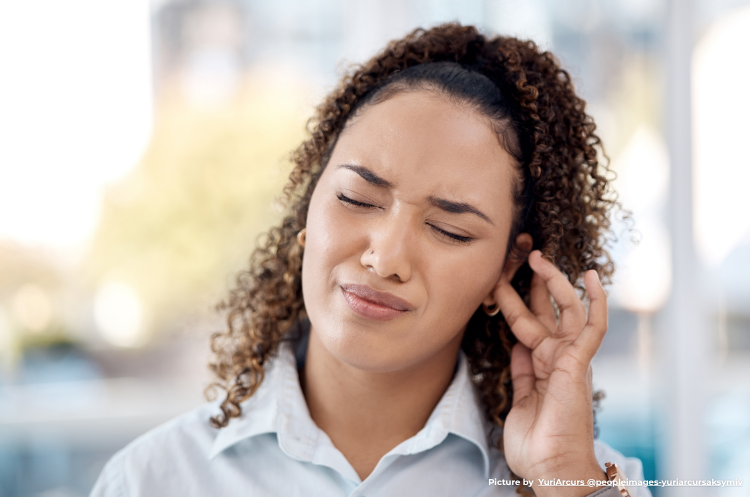
If you’ve begun noticing a persistent ringing, buzzing, or whooshing sound in your ears while navigating perimenopause, you’re not alone. The experience of tinnitus can be alarming and confusing, but understanding the connection between perimenopause and tinnitus can help you feel more in control and proactive.
Understanding the Link Between Perimenopause and Tinnitus
During perimenopause, many women become more aware of unusual bodily sensations, including tinnitus. This period is marked by hormonal turbulence that doesn’t just affect menstrual cycles and mood, but can also influence nerve function, blood flow, and immune balance throughout the body.
It’s essential to remember: tinnitus is rarely dangerous, but it can have a meaningful impact on quality of life and mental health. Seeking information and holistic support is a smart first step.
Why Does Ear Ringing Happen During Perimenopause?
Perimenopause acts as a transitional phase where hormone levels—especially oestrogen and progesterone—fluctuate significantly. These fluctuations can sometimes trigger tinnitus or intensify existing ear ringing in those already prone to it.
For some, it may be experienced as a soft hissing or buzzing; for others, a high-pitched tone that comes and goes. These changes can be unsettling, often appearing alongside sleep disruptions, anxiety or periods of heightened sensitivity to sound.
Hormonal Changes and Their Effects on Hearing
Oestrogen and progesterone play protective roles in both nerve health and vascular function. When their balance shifts, as it does in perimenopause, the following can occur:
- Altered blood flow to the inner ear: Hormonal changes can impact the delicate blood vessels and fluid levels responsible for hearing.
- Nervous system sensitisation: Hormonal shifts can heighten the brain’s response to internal “noise,” making pre-existing mild tinnitus more noticeable.
- Indirect triggers: Symptoms like insomnia, heightened stress, and poor circulation—all of which can be amplified by perimenopause—may make ear ringing more persistent or bothersome.
Recognising Tinnitus: What Perimenopausal Women Experience
Tinnitus is not just “ringing” in the ears. It’s a personal experience that varies from woman to woman, and may include:
- Humming, hissing, whistling, or roaring noises that aren’t from an external source
- Sounds that are more noticeable in quiet environments or at night
- Fluctuations that seem tied to the menstrual cycle, stress, or hormonal events
- Occasional dizziness or a sense of fullness in the ears
For some, these sensations are temporary and mild. For others, they become a frequent disturbance that interferes with concentration, sleep, or ease of mind.
Is Tinnitus a Common Symptom of Perimenopause?
Tinnitus isn’t always highlighted on classic perimenopause symptom lists, but research and experience suggest it’s more common than many realise. Hormonal changes have a proven influence on both the auditory system and the brain’s perception of sound. Although not every woman will develop tinnitus, those with a history of migraines, sensitivity to stress, or inner ear challenges may be at increased risk.
Practical Strategies to Manage Tinnitus in Midlife
While tinnitus can feel overwhelming, several evidence-informed strategies may help you cope and reduce its impact:
Lifestyle and Nutrition Tips for Easing Ear Ringing
Daily habits:
- Minimise stimulants: Reduce or avoid caffeine and excessive salt; both are linked to worsening tinnitus for some.
- Stay hydrated: Dehydration can make inner-ear symptoms more pronounced.
- Create a calming routine: Practice stress management techniques such as slow, deep breathing, meditation, or gentle yoga to calm the nervous system.
Support your sleep:
- Develop a steady sleep-wake schedule, focusing on winding down early.
- Limit screens and avoid working in bed to help your mind associate the bedroom with rest.
- If tinnitus feels louder at night, try soft background noise or a white noise machine.
Food and nutrients:
- Focus on a balanced, whole-foods diet with a wide variety of plant foods to nourish your nervous system and gut health.
- Consider sources of magnesium (like pumpkin seeds and leafy greens), which may help calm nerve activity and ease stress-induced symptoms.
- Some women also explore B vitamin-rich foods or gentle supplementation—always with guidance from a registered nutritionist or healthcare provider.
Disclaimer: Any supplement or drastic dietary change should be discussed with your GP or a registered nutrition professional, especially if you have existing health conditions or are on medication.
When to Seek Professional Advice for Tinnitus
While mild or short-lived tinnitus is often benign, do seek prompt medical advice if you notice:
- Sudden, severe, or persistent ear ringing
- Tinnitus accompanied by hearing loss, dizziness, pain, or discharge
- Tinnitus on one side only, or symptoms that worsen rapidly
Other underlying health concerns—such as infection, circulatory changes, or even certain medications—should be ruled out. Accurate diagnosis and tailored support are key to effective relief and ongoing confidence.
Final Thoughts
Tinnitus during perimenopause can be unsettling, but you aren’t powerless. By understanding the links between hormones and hearing, practicing self-care routines, and tuning in to your own body’s signals, you pave the way for better days ahead. There’s no need to walk this path alone—community and expert support can make all the difference.
If you’re ready to take those steps in a supportive, judgement-free space, join my free Facebook group Beyond Diets | Nutrition & Lifestyle for Women in Perimenopause — where knowledge turns into action, and habits turn into lasting change.