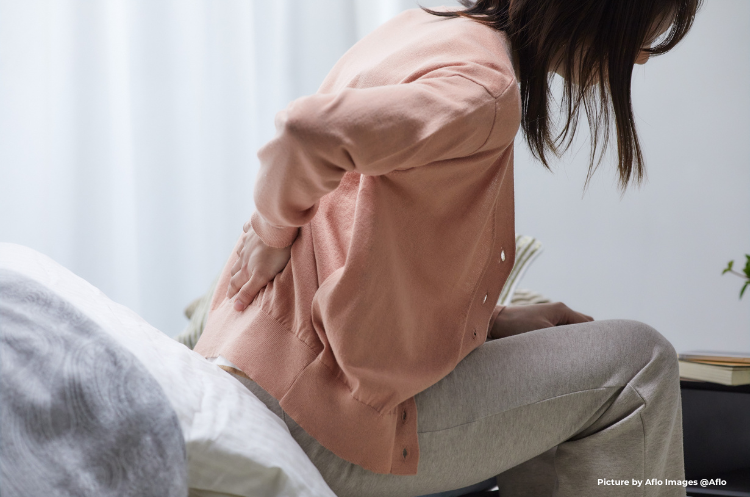
When you think about perimenopause, back pain probably isn’t the first thing that comes to mind. But for many women, the link between perimenopause and back pain is real—and it can sneak up just when you’re juggling everything else that midlife throws your way.
Let’s break down how perimenopause affects your back health, explore the common causes, help you recognise if hormonal shifts are to blame, and share practical, natural ways to feel better.
How Perimenopause Can Affect Your Back Health
Perimenopause is a time of big hormonal changes that can make muscles and joints more sensitive, and back pain (especially in the lower back and hips) isn’t unusual. Both oestrogen and progesterone play natural anti-inflammatory roles in your body. As these hormones decline, their protective benefits fade, sometimes making you more prone to muscle aches, joint stiffness, or discomfort in old injury sites. Disrupted sleep during perimenopause can make everything feel even more intense.
Note: Perimenopause is a “critical window” for your long-term health—small changes now can prevent bigger issues later on.
Common Causes of Lower Back and Hip Pain in Perimenopause
Here’s why that nagging ache might be cropping up now:
- Hormonal Change: Lower oestrogen and progesterone means less anti-inflammatory support and often more pain sensitivity.
- Muscle Loss: Age plus menopause can lead to gradual muscle loss, especially if you’re not strength training—this can destabilise your core or lead to back problems.
- Poor Sleep: Hormone-driven sleep disruptions are common and can worsen pain perception.
- Weight changes: Extra abdominal weight can place strain on the spine.
- Posture changes: Long hours sitting or working at a desk.
- Existing Conditions: Some women experience flare-ups of old back injuries or conditions like fibromyalgia in perimenopause.
- Lifestyle Factors: Stress, inactivity, and insufficient nutrients (especially protein) can further weaken your muscles and bones.
Tip: Building muscle is possible at any age. Simple resistance training, yoga, or brisk walking make a real difference!
Recognising the Symptoms: When Is Back Pain Related to Hormonal Changes?
Wondering if your back pain is tied to perimenopause? Look out for signs like:
- New aches and pains that began alongside other perimenopausal symptoms (irregular periods, mood changes, hot flushes).
- Pain that’s worse with poor sleep or stress.
- Flare-ups in old injury spots, or muscle pain that moves around.
While perimenopause is a common trigger, not every ache is hormonal. Persistent or severe pain should be checked by your doctor to rule out other issues like thyroid disorders or osteoarthritis.
Practical Strategies for Managing Back Pain During Perimenopause
Small lifestyle tweaks can have a big impact. Here’s what many women find helpful:
Daily Habits
- Stay Active: Incorporate regular strength training (with bands, weights, or body weight), yoga or walking to maintain muscle and joint health.
- Strength training: Building core and back muscles gives your spine the support it needs.
- Better posture habits: Ergonomic chairs, standing desks, or short movement breaks reduce pressure on the back.
- Prioritise Restorative Sleep: Create a calming bedtime routine, avoid screens late at night, and aim for a cool, dark bedroom.
- Anti-Inflammatory Foods: Nourish your body with a diet rich in whole foods, and consider checking with a nutritionist about your protein and nutrient intake. Anti-inflammatory foods includes Berries, leafy greens, oily fish, turmeric, and ginger.
- Avoid: Highly processed foods, refined sugars, and excessive alcohol can increase inflammation and worsen back pain. Limiting these while focusing on whole, nutrient-dense foods helps your body stay resilient through perimenopause.
Relief Strategies
- Gentle Movement: Stretching and low-impact movement can release muscle tension.
- Heat or cold therapy: Heat relaxes tight muscles; cold can reduce inflammation after acute strain.
- Supplements: Some women find magnesium beneficial. Calcium, Vitamin D and Vitamin K2 are Essential for bone health and preventing long-term weakness, but always check with your GP before starting anything new to ensure it’s safe for you. Do not self-prescribe.
Back pain in Perimenopause: Should I Use Medication?
Over-the-counter NSAIDs (like ibuprofen) may help in the short term, but frequent use should be reviewed with a healthcare provider.
Note: Long-term relief often comes from combining lifestyle, nutrition, and movement rather than relying on medication alone.
When to Seek Help: Persistent or Severe Back Pain in Midlife Women’s Health Care
Most perimenopausal aches are temporary, but if you’re dealing with pain that:
- Persists despite self-care or natural approaches
- Is severe, or comes with numbness, tingling, or weakness
- Involves new symptoms like incontinence or unexplained weight loss
…it’s time to see your GP for a thorough check-up. Getting the right diagnosis means finding the right support—some issues may need different treatment or a specialist’s input.
Final Thoughts
You’re not alone if you find your back aching more these days. The connection between perimenopause and back pain is real—but it’s also manageable with simple, empowering steps.
If you’re ready to take those steps in a supportive, judgement-free space, join my free Facebook group Beyond Diets | Nutrition & Lifestyle for Women in Perimenopause — where knowledge turns into action, and habits turn into lasting change.