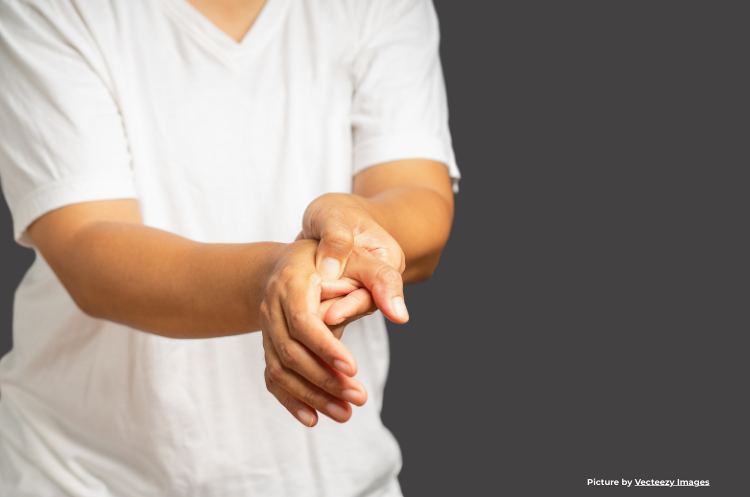
Have you ever experienced the sensation of tiny insects crawling on your skin, prickling, or unexplained tingling, especially as you enter midlife? This phenomenon, known as formication, is surprisingly common in women during perimenopause. Understanding the connection between perimenopause and formication can help you find reassurance and practical relief.
What Is Formication? Understanding the Sensation in Perimenopause
Formication is the medical term for a tactile sensation that feels like crawling, tingling, prickling, or “pins and needles”, often without any visible skin changes. For women in perimenopause, these sensations might appear suddenly or come and go unpredictably. Formication is caused by temporary changes in the nervous system and skin sensitivity as hormones shift.
Many women describe it as:
- Crawling or tingling under the skin, especially on the arms, legs, or back
- Intense itching or prickling without a rash
- Sudden “zaps” or stings that can wake you up or become more noticeable at night
Although unsettling, formication is usually a benign, temporary symptom of nervous system sensitivity.
Why Does Formication Happen During Perimenopause?
To understand why formication often shows up during perimenopause, it helps to look at what’s happening hormonally. Perimenopause is characterised by fluctuating, often unpredictable, levels of oestrogen and progesterone.
Key factors include:
- Loss of Progesterone & Fluctuating Oestrogen: As you approach menopause, your body produces less progesterone and experiences swings in oestrogen. These changes affect both the immune system and the brain, making the nervous system more reactive.
- Nervous System Sensitivity: Falling hormones unsettle the nervous system, making you more susceptible to abnormal sensations like formication, tingling, or skin crawling.
- Sleep Disruption & Stress: Poor sleep, common in perimenopause, can worsen these nerve symptoms and make you more aware of them, especially at night.
Tingling, Pins and Needles: How Perimenopause Affects Nerve Sensations
The unpredictable flow of hormones can make your nerves more sensitive or excitable. Women often report:
- A sensation of “pins and needles” in hands, feet, arms, or other areas
- Occasional numbness or heightened awareness of touch
- Episodes triggered by stress, fatigue, or poor sleep
It’s important to remember that most tingling linked to perimenopause is harmless and will improve as hormone levels eventually stabilise.
Recognising Triggers and Patterns of Formication in Midlife
Formication doesn’t always have a clear pattern, but there are common triggers and risk factors:
- Menstrual cycle fluctuations (symptoms may peak around certain phases)
- Higher stress levels or emotional upheaval
- Hot nights, sleep disturbances, or fatigue
- Skin dryness or increased sensitivity to products and environmental changes
- Dehydration or inadequate nutrition
Getting familiar with your own triggers can help you anticipate and manage flare-ups.
Tip: Keeping a simple diary of foods, stress levels, and sleep can help reveal patterns or triggers specific to you.
Effective Strategies and Treatments for Formication
While formication is often temporary, there are many practical approaches for finding relief:
Daily Strategies
- Gentle, regular movement (walking, stretching, or yoga) to support circulation and nerve health
- A calming bedtime routine to reduce nighttime awareness of symptoms
- Basic skincare: fragrance-free moisturisers and gentle fabrics
Diet and Lifestyle
- Staying well-hydrated
- Reducing or eliminating caffeine, sugar, and alcohol, which can exacerbate nerve issues for some women
- Managing stress through mindfulness, breathwork, or creative hobbies
Supplements and Targeted Support
- Magnesium may help settle the nervous system and ease tingling or restlessness.
- B vitamins, particularly B6 and B12, are essential for nerve health, but ideally, should be taken under professional guidance if deficiency is suspected, as excess can cause toxicity.
Disclaimer: Always consult with a GP or registered nutritionist before starting new supplements, especially if you have ongoing health conditions or are on medication.
Lifestyle and Nutrition Tips to Ease Tingling Sensations
Small lifestyle and nutrition adjustments can make a significant difference in managing formication:
- Focus on a diet rich in whole foods, leafy greens, legumes, and healthy fats (like olive oil and oily fish).
- Include foods high in magnesium, such as pumpkin seeds, nuts, beans, and dark chocolate.
- Make time for moderate, enjoyable activity most days to support nerve and brain health.
- Limit ultra-processed snacks, as these can worsen inflammation and increase nerve sensitivity.
- Prioritise sleep: switch off screens early and create a calming bedtime ritual.
When to Seek Professional Advice for Persistent Symptoms
Occasional tingling and crawling sensations are common during perimenopause, but always seek professional guidance if you notice:
- Persistent or worsening numbness or tingling (“pins and needles” that does not improve)
- Symptoms limited to one area, or accompanied by muscle weakness
- Night-time symptoms severe enough to disrupt sleep regularly
- Any sudden or unexplained neurological symptoms (such as loss of coordination, speech changes, or facial drooping)
Prompt medical assessment helps rule out other causes and ensures you receive appropriate care.
Behavioural Nutrition Perspectives on Nerve Health in Perimenopause
Behavioural nutrition focuses on creating sustainable, supportive habits, especially during major life transitions like perimenopause. For nerve health:
- Keep blood sugar stable by pairing whole grains with good-quality protein and fat.
- Opt for mineral-rich foods (magnesium, zinc, and B-complex vitamins are especially helpful).
- Address underlying stress or inflammation via a “food-first” approach, then consider supplements if needed in partnership with your healthcare provider.
Building these routine habits not only soothes the sensations of formication but supports whole-body health as you move through this transition and beyond.
Final Thoughts
If you’re experiencing strange tingling, crawling, or pins-and-needles sensations, you’re not alone. Perimenopause and formication are intimately connected, with hormone changes driving many unusual nerve sensations. By understanding your triggers and building gentle support into your routine, you can navigate these midlife changes with more confidence and less discomfort.
If you’re ready to take those steps in a supportive, judgement-free space, join my free Facebook group Beyond Diets | Nutrition & Lifestyle for Women in Perimenopause, where knowledge turns into action, and habits turn into lasting change.