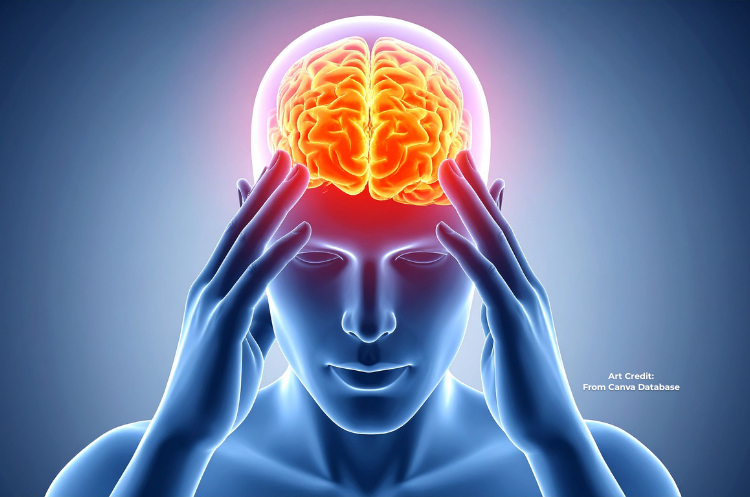
Perimenopause can change more than your periods. For many women, migraines shift in pattern, frequency, or intensity as hormones fluctuate. If you are asking how migraine and perimenopause connect and what you can do about it, this guide explains the likely causes, common triggers, practical self-care, and when to seek professional help.
Migraines during perimenopause rarely come from one single trigger. Hormonal fluctuation, sleep disruption, stress levels, nutritional patterns and daily routines all influence how sensitive the brain becomes to migraine pathways. Understanding this broader picture can help you move from reacting to migraines toward managing the conditions that allow them to appear.
Understanding Migraine and Perimenopause: The Hormonal Connection
Migraine patterns often change in perimenopause because of shifts in oestrogen and progesterone. During perimenopause progesterone commonly falls while oestrogen can fluctuate or even rise at times, and those swings influence the brain’s sensitivity to pain and other migraine pathways. If you have a history of migraine, you may notice attacks become more frequent or change character during this phase. New onset migraine in midlife is also possible.
Hormonal imbalance can affect not only pain circuits but also sleep, mood and immune reactivity, all of which feed into migraine risk. Recognising this hormonal link helps focus management on stabilising daily routines, supporting sleep, improving nutritional patterns and, where appropriate, considering medical treatment options.
Types of Migraines Experienced During Perimenopause
Migraines in perimenopause can present in different ways. Knowing the subtype can help guide management.
Ocular, Vestibular and Menstrual Migraines
- Ocular migraine typically involves visual disturbance without a severe headache.
- Vestibular migraine causes dizziness, balance problems and sensitivity to motion.
- Menstrual migraine tends to align with hormonal shifts around the cycle and can worsen when progesterone drops.
These presentations may overlap and often evolve as hormones fluctuate during perimenopause.
Migraine with Aura: What to Know
Migraine with aura includes temporary neurological symptoms such as flashing lights, tingling sensations or language disturbance that usually occur before the headache phase. Aura requires careful assessment because neurological symptoms that are new or different should prompt urgent medical review.
If you experience sudden weakness, slurred speech or severe visual loss, seek immediate medical attention.
Why Migraines Can Worsen or Change in Perimenopause
Several physiological processes help explain why migraine and perimenopause often interact:
- Loss of progesterone’s calming influence can increase brain excitability and migraine susceptibility.
- Fluctuating oestrogen may provoke mast cell and histamine activity, increasing sensitivity to triggers and pain perception.
- Heavier periods in some women can contribute to iron depletion, which may increase headache frequency in susceptible individuals.
- Sleep disruption and chronic stress, both common in perimenopause, amplify central pain processing and make attacks harder to manage.
Behavioural patterns can reinforce these biological processes. Irregular meals, high stress workloads, excessive caffeine intake or inconsistent sleep schedules can all lower the threshold for migraine attacks.
Understanding which of these factors are most relevant for you can help tailor a more effective plan.
Recognising Migraine Triggers and Warning Signs in Midlife
Common triggers remain similar across the lifespan but may become more potent during perimenopause. Watch for:
- Hormonal timing around your cycle
- Poor sleep or sudden sleep loss
- Certain foods and drinks such as aged cheeses, red wine or other high histamine items
- Dehydration and skipped meals
- Bright lights, strong smells and sensory overload
- Stress or sudden changes in routine
Keeping a simple migraine diary can help identify patterns. Track the timing of attacks, sleep quality, meals, stress levels and environmental triggers. Over time this can reveal practical adjustments that reduce migraine frequency.
For women who appear sensitive to histamine, a low histamine approach may reduce some triggers. This strategy should always be individualised and discussed with a healthcare professional.
Are Migraines a Common Symptom of Perimenopause?
Migraines are a recognised feature of perimenopause for many women. Frequency and intensity often change during this transition. For some, migraines worsen temporarily during hormonal fluctuation and improve once hormone levels stabilise after menopause.
However, persistent or worsening migraine should always be assessed, as management strategies differ depending on underlying drivers and the stage of the menopausal transition.
Practical Ways to Manage and Prevent Migraines
A multi layered approach works best. Combining lifestyle, behavioural and nutritional strategies can significantly reduce migraine frequency and severity.
Lifestyle Adjustments and Self-Care
- Maintain consistent sleep and wake times to stabilise the brain’s recovery cycles.
- Keep regular meal patterns and stay well hydrated to prevent blood sugar fluctuations that trigger attacks.
- Use relaxation techniques such as breathing exercises, gentle yoga or guided imagery to reduce stress related migraines.
- Protect sleep and recovery time, particularly if hot flushes or night waking are present.
Consistency is often more important than intensity. Small daily habits help stabilise the nervous system and lower migraine sensitivity.
Nutrition and Behavioural Approaches for Migraine Relief
- Focus on whole, minimally processed foods that support stable energy levels.
- Ensure adequate protein intake and balanced carbohydrates to maintain steady blood glucose.
- Moderate common dietary triggers such as alcohol, aged cheeses and cured meats when relevant.
Some targeted nutrients may support migraine prevention, including magnesium and vitamin B2. In certain cases combinations such as magnesium with taurine are discussed in professional protocols. These approaches should always be personalised rather than applied broadly.
Safety Disclaimer: This information is educational and not a substitute for personalised medical advice. Always discuss supplements and significant dietary changes with your GP or a registered nutritionist before starting them, especially if you take medication or have existing medical conditions.
Behavioural strategies such as pacing activity, monitoring triggers and making gradual habit adjustments often work better than restrictive diets or short-term fixes. Working with a practitioner experienced in perimenopause and behavioural nutrition can help create sustainable improvements.
When to Seek Medical Support for Perimenopausal Migraines
Book an appointment with your GP if migraines are becoming more frequent, interfering with daily life or presenting with new symptoms.
Seek urgent care if you experience:
- A sudden severe headache
- Focal neurological symptoms such as weakness or numbness
- New onset aura with unusual features
- Any signs suggestive of stroke
A clinician can check for underlying causes, review medication options, consider hormonal management where appropriate and refer to a neurologist if needed.
Final Thoughts
Migraine and perimenopause often intersect, but understanding the hormonal drivers and everyday triggers gives you practical ways to reduce attacks. Consistent sleep, stress management, balanced nutrition and thoughtful lifestyle adjustments can make measurable differences.