Perimenopause can feel like stepping into completely new territory, right?
The old rules stop working. Your jeans fit differently. And suddenly, weight—especially around your belly—starts creeping on, no matter what you do.
It’s not just you. And—good news—you’re not powerless.
If you want to take charge of what’s happening in your body, listen up: how you eat now is more important than ever.
And when it comes to managing perimenopause weight gain, protein is the unsung hero you’ve been missing.
Let’s break down why protein matters, how much you really need, and simple ways to put it into action—no calorie counting, no crazy meal plans.
What’s Actually Happening in Perimenopause?
You know those hormonal ups and downs that are driving you bananas?
That’s oestrogen and progesterone doing their unpredictable dance—and in the process, they start slowing your metabolism, reducing muscle mass, spiking cravings, and making your body less responsive to insulin.
The result?
- More fat storage (especially around the middle)
- Afternoon energy slumps
- Blood sugar swings that make you want all the carbs and chocolate
Understanding these shifts isn’t about blaming your hormones—it’s about learning why they happen, so you can work with your body, not against it.
Why Protein Is a Game-Changer in Perimenopause
Most women in their 40s and 50s aren’t eating nearly enough protein—especially if they’re busy and relying on quick wraps, sandwiches, or even skipping meals.
Here’s what happens when you get enough protein:
- You feel fuller, longer: Protein is a satiety superstar—meaning you feel satisfied after meals, not searching the pantry an hour later.
- You hold onto muscle (and your metabolism stays strong): Falling oestrogen accelerates muscle loss. Protein provides the raw material your body needs to preserve muscle—the engine of your metabolism.
- You stabilise blood sugar and mood: Protein helps buffer blood sugar spikes and crashes, which can reduce those 3pm cravings and mood swings.
- You reduce sugar and carb cravings: Steady protein intake means fewer desperate hunts for biscuits, bread, or chocolate.
How Much Protein Do You Need in Perimenopause?
Aim for at least 1.2 grams per kilogram of your body weight each day. And don’t just load it all up at dinner—spread it evenly across breakfast, lunch, snacks, and dinner.
For most women, that means a solid protein source every time you eat.
If you’re strength training or dealing with insulin resistance, you may need a bit more. That’s where personalisation (and professional support) comes in.
And here’s the caveat: more protein doesn’t automatically mean better results.
Excess protein—especially from poor-quality sources like deli meats, fatty cuts, or ultra-processed snacks—can still contribute to weight gain and inflammation.
So, focus on quality over quantity, and let protein be part of a balanced plate—not the whole story.
Best Sources of Protein (and How to Mix Things Up)
Forget boiled chicken and endless protein shakes.
You can enjoy your food and get enough protein:
Animal-Based
(Always choose hormone and antibiotic-free; wild-caught, grass-fed, or organic if you can)
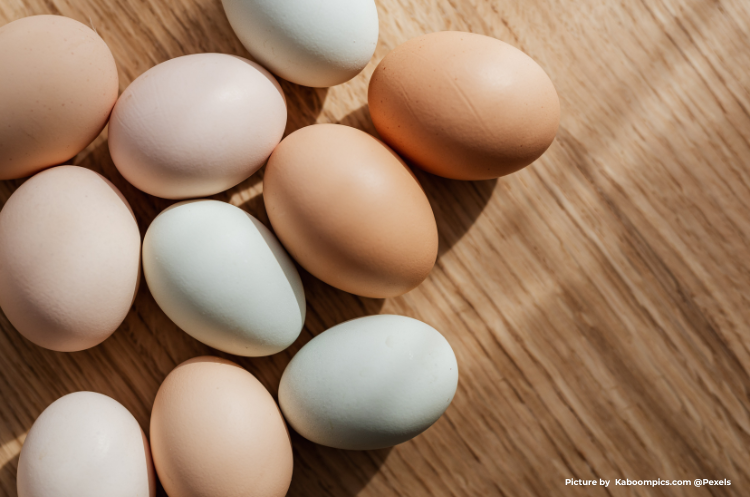
- Eggs
- Greek yoghurt (no added sugar)
- Fish (especially oily fish like salmon)
- Chicken
- Lean beef or lamb
- Quality cheese and dairy
Plant-Based
- Tofu or tempeh (complete proteins)
- Lentils, chickpeas, black beans
- Quinoa, buckwheat
- Edamame
- Nuts and seeds
You absolutely don’t have to eat meat if you don’t want to—just make sure you’re eating enough and combining different sources for a complete amino acid profile.
Here are a few plant-based pairings that form complete proteins:
- Beans + rice
- Hummus + whole grain bread
- Quinoa + edamame
- Nut butter on buckwheat toast
Simple Ways to Boost Protein—Without a Meal Plan
You don’t need to overhaul your whole kitchen. Start small and make it easy:
- Start at breakfast: Try eggs, Greek yoghurt, cottage cheese, a good quality, low sugar protein smoothie, or even last night’s roast chicken.
- Snack smart: Think roasted chickpeas, boiled eggs, or raw nuts.
- Upgrade your carbs: Add hemp seeds or nut butter to porridge. Throw chickpeas on your salad.
- Use what’s handy: Toss lentils into soup, stir an extra egg into your stir-fry, or crack open a tin of tuna when in need for a quick fix.
The Truth About Protein and “Bulking Up”
Worried that eating more protein will make you too “muscular” or heavy?
Let’s bust that myth.
Protein helps build lean muscle, supports your metabolism, and keeps your body strong—not bulky.
It actually helps prevent that frail, skinny-fat look that can creep in as we age.
No, you will not bulk up like a bodybuilder overnight. Promise.
Protein: The Perimenopause Superpower
Perimenopause isn’t about losing control.
It’s about learning what your body needs now—and fuelling it in a way that works.
Protein isn’t just a nutrient.
It’s your foundation for feeling satisfied, stable, and strong again.
But it’s not the only thing that matters.
It’s one powerful piece of a much bigger puzzle—alongside fibre, healthy fats, micronutrients, sleep, movement, and stress support.
So no, you don’t need to obsess over grams or live off chicken breast.
You need a balanced, supportive rhythm that works for you.
Don’t panic.
Start where you are.
Make one tweak at a time—and watch what changes.
Want to learn more about eating for hormone health—without restriction or guilt?
Join Beyond Diets | Nutrition & Lifestyle for Women in Perimenopause—a free Facebook group where you’ll get real talk, real strategies, and real-life support from women who get it.
👉 Join Beyond Diets now