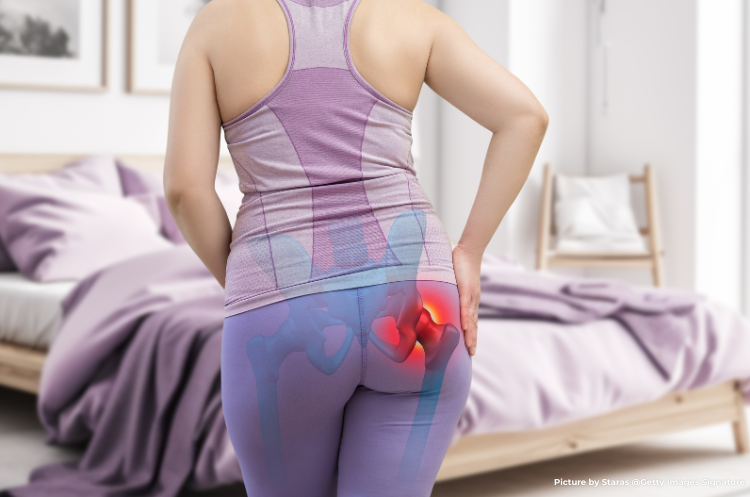
Hot flushes, night sweats, mood swings—these are the perimenopause symptoms we all expect. But hip pain? Many women are surprised when this nagging ache appears (or worsens) during the transition to menopause.
Let’s make sense of how hip pain and perimenopause are intertwined, what signals to look for, and how you can support your joints with simple, practical steps.
Understanding Hip Pain During Perimenopause
Aches and pains in the hips sometimes appear just as your hormones start to shift. In fact, muscle and joint discomfort can become even more noticeable than classic symptoms like hot flushes. For many women, it isn’t just a minor ache—hip pain can feel sharp, deep, or sometimes like an annoying ache that won’t resolve, especially after sitting or while trying to get comfortable in bed.
Why does this happen?
- Falling oestrogen: Oestrogen has anti-inflammatory effects and helps maintain cartilage. As levels dip, joints (including hips) may feel stiffer or more painful.
- Progesterone decline: Normally has a calming, muscle-relaxing effect. With less of it, tension and sensitivity increase.
- Bone density changes: Oestrogen protects bones. As it declines, bones lose density faster, contributing to aches and fragility.
- Muscle mass reduction: Perimenopause accelerates sarcopenia (loss of muscle), leaving the hips and pelvis less supported.
But pain isn’t just about hormones: disruptions in sleep common to perimenopause can make pain feel more intense, and pre-existing aches may suddenly flare up.
How Hormonal Changes Affect Joints and Mobility
Oestrogen and progesterone help keep inflammation in check and support healthy collagen in your joints. When these hormones become unpredictable, several things can happen at once:
- Joint structures may lose their usual lubrication and “cushion”, so every movement, twist, or step can feel less smooth.
- Tissues are slower to repair after normal wear-and-tear, and previously minor strains can linger much longer.
- Fluctuating hormones also affect sleep and stress, creating a loop where less rest leads to more inflammation and pain.
If you notice stiffness in the morning, or hips that feel suddenly “creaky,” shifts in hormone levels might be at the root.
Common Triggers and Risk Factors for Hip Pain in Midlife
Several factors come together in this phase to increase the risk of hip pain. Some of the most common triggers and risk factors include:
- Long-term stress and poor sleep—both raise inflammation and reduce your body’s ability to recover.
- A decline in natural anti-inflammatory hormones—a key factor for joint health.
- Old injuries—those niggling strains from years ago can resurface.
- Underlying issues, such as early arthritis or “silent” joint changes.
- Gut health imbalances—disturbed digestion or increased “leaky gut” can add to whole-body inflammation, which sometimes shows up in your joints.
- Ultra-processed foods—snacks and takeaways high in unhealthy fats and sugars are linked with more inflammation and pain.
- Sedentary lifestyle, long hours of sitting—weaken hip and glute muscles.
- Weight changes—Midlife weight gain increases pressure on hip joints.
Tip: New pain is a sign from your body that something needs attention. Listen and respond with care, not just quick fixes.
Hip Instability and Discomfort: What to Watch For
Not all hip pain feels the same. Some women report a sense of “wobbliness,” or that their hips just don’t feel as stable as before. Others notice clicking, mild swelling, or soreness after very ordinary activities, like walking or bending.
Key signs include:
- Hips that feel weak or give way when you stand up or climb stairs
- Discomfort that spreads toward the lower back or legs
- Occasional mild swelling or warmth in the joint
- Difficulty sleeping on your side due to discomfort
If these sounds familiar, know that it’s a valid concern—and it’s a great reason to start taking action.
The Link Between Lower Back and Hip Pain in Perimenopause
Lower back pain and hip pain often go hand-in-hand, especially as the supporting muscles and ligaments are also affected by hormonal shifts. These areas work together in almost every movement—so if one is under strain, the other can’t help but get involved.
Women commonly notice that as hip pain crops up, there’s an increase in lower back discomfort too. Poor sleep, higher everyday inflammation, or periods of less activity can all amplify both types of pain.
Practical Strategies to Manage and Ease Hip Pain
There are several tried-and-true strategies that can make a big difference:
1. Daily Movement and Support
- Gentle stretching, yoga, pilates or swimming support flexibility and ease stiffness without strain.
- Strength-building exercises using resistance bands help maintain joint stability and cushion your hips for daily activity.
- Regular movement, even simple walks, can reduce both inflammation and pain.
2. Nutrition for Joint Health
- Focus on whole foods, including plenty of vegetables, good quality protein, and healthy fats.
- Minimise ultra-processed snacks—they’re linked with more joint pain and can disrupt blood sugar and inflammation.
- Support your gut health with diverse plant foods and by cutting down on sugar and processed foods.
- Stay hydrated: Proper hydration keeps joints lubricated and muscles supple.
3. Lifestyle Shifts
- Posture check: Ergonomic seating and regular breaks reduce hip tension.
- Sleep support: A supportive mattress and side-sleeping pillow between the knees can ease night pain.
- Stress management: Cortisol spikes increase inflammation—relaxation practices help reduce flare-ups.
4. Key Supplements (Always check with your GP first)
- Key nutrients: Calcium, Vitamin D, and Vitamin K2 support bones; magnesium aids muscle relaxation.
Safety Disclaimer: This article is for informational purposes only and is not a substitute for personalised medical advice. Always speak to your GP or a qualified healthcare provider before starting any new supplement or nutritional regimen, especially if you have existing health concerns or persistent joint pain. Seek prompt medical attention for pain that is severe, comes with swelling or warmth, or where movement is limited.
When to Seek Professional Help for Persistent Hip Pain
Don’t ignore hip pain that’s severe, consistent, or interfering with daily life—especially if it comes with swelling, warmth, or reduced movement. It’s essential to check with your GP to rule out underlying joint issues, “silent” arthritis, or referred pain from another condition. Even if it turns out to be a hormonal side effect, prompt support can fast-track your relief and prevent further problems.
Behavioural Nutrition: Supporting Joint Health During Perimenopause
Behavioural nutrition isn’t about strict rules or cutting foods—it’s about building daily habits that reduce inflammation, support bone and muscle health, and keep your joints moving with ease.
Here are key strategies to focus on:
- Address emotional eating: Notice when food is being used for comfort, and explore other supportive coping strategies like journaling, movement, or mindful breaks.
- Assess inflammatory habits: Regularly check in on your alcohol, sugar, and processed food intake—these can worsen inflammation and contribute to joint pain.
- Build a colourful, varied plate: Prioritise vegetables, fruit, whole grains, legumes, nuts, and oily fish for a broad spectrum of anti-inflammatory nutrients.
- Observe mindless snacking: Reduce grazing on ultra-processed foods that fuel chronic inflammation and replace with whole-food options that provide steady energy.
Every small adjustment adds up—over time these habits give your body the raw materials it needs to reduce inflammation, strengthen bones, and protect joints as you move through perimenopause and beyond.
Final Thoughts
Hip pain in perimenopause can feel overwhelming, but understanding what’s happening inside your body makes it a lot less mysterious—and easier to manage. This phase doesn’t last forever, and with a few thoughtful changes, you can keep moving comfortably and enjoy life’s everyday moments again.
If you’re searching for real-life strategies and encouragement from women who get it, my free Facebook group is a safe space to share questions, pick up new habits, and turn knowledge into action.
Ready to feel more confident and supported? Join Beyond Diets | Nutrition & Lifestyle for Women in Perimenopause — where practical steps and compassionate support help you move forward, one healthy change at a time.