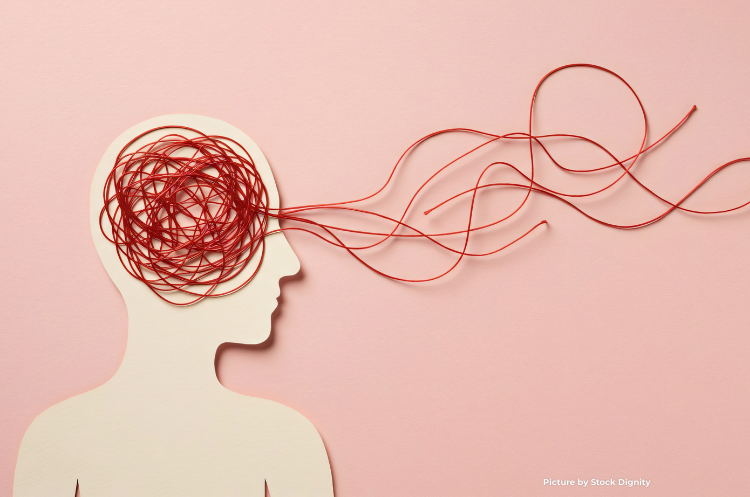
Anxiety during perimenopause can feel intense and confusing, especially if it seems to appear out of nowhere or shows up differently than it ever has before. If your mind feels busier, your body feels jumpier, or your baseline worry has crept up, you are far from alone: Anxiety affects many women during this stage of our lives. Understanding why this happens helps take the fear out of it and gives you back a sense of control.
Why Anxiety Increases During Perimenopause
Even the most grounded women can experience rising anxiety in midlife. Oestrogen and progesterone interact with brain chemistry, influencing mood, sleep quality and stress resilience. When these hormones start fluctuating, your emotional regulation becomes more vulnerable.
As progesterone drops, the body loses some of its natural calming support. This can make everyday stressors feel heavier and amplify worry, overwhelm or low-grade panic. Some women also become more sensitive to biological triggers, such as histamine or inflammation, and that can add to the nervous system load.
Knowing this is temporary and understandable makes it easier to respond with clarity instead of frustration.
Key Triggers of Anxiety in Midlife
Although hormone fluctuations sit at the centre, several other factors make anxiety more likely:
- Life transitions: Shifts in relationships, work or caregiving responsibilities
- Poor sleep: Night sweats or disrupted sleep lower emotional resilience
- Physical symptoms: Palpitations, hot flushes and breathlessness can trigger worry
- Nutritional gaps: Low magnesium, B vitamins or iron can influence mood stability
Hormones and Emotional Health
Oestrogen does not decline smoothly, it swings, and mood often swings with it. Progesterone declines much earlier, removing its steadying influence. When these hormones are out of sync, the nervous system becomes more reactive.
- Progesterone: Naturally calming, supports GABA receptors, helps with sleep and soothing
- Oestrogen: When high or unstable, it can increase histamine release and heighten emotional sensitivity
This hormonal unpredictability is why some women feel their mood shift at certain points of their cycle more strongly than before.
Why Morning Anxiety Feels So Intense
Many women report waking with a surge of anxiety. This often reflects the natural rise in cortisol that prepares you for the day. When sleep is disrupted or progesterone is low, this rise can feel more like a spike.
If mornings feel shaky, wired or tense, it is usually a combination of hormonal shifts and blood sugar instability.
Recognising the Signs of Perimenopausal Anxiety
Anxiety during perimenopause can look different from general anxiety. You may notice:
- Racing thoughts or feeling on edge
- Heart palpitations or changes in breathing
- Difficulty relaxing, winding down or falling asleep
- Increased sensitivity to noise or social environments
- Digestive discomfort that mirrors anxiety
- Feeling easily overwhelmed
- Emotional Eating patterns
These symptoms sometimes overlap with depression, so tracking patterns is helpful.
Progesterone and Other Treatment Options
Progesterone therapy can be helpful for anxiety and irritability that are clearly linked to perimenopause. It often supports both mood and sleep when taken consistently.
Oestrogen is sometimes used for low mood in post-menopause, but is less suited to perimenopausal anxiety because levels during this time are unstable.
Other useful approaches include:
- Cognitive behavioural therapy (CBT): Helps interrupt spirals and reduce reactivity
- Nutritional support: Correcting deficiencies and stabilising blood sugar can reduce symptoms
- Herbal or nutrient support: Some women explore magnesium, B6 or certain herbs with professional guidance
Every woman responds differently, so a personalised strategy is usually the most effective approach.
Practical Strategies for Managing Anxiety
Small, consistent habits can shift your physiology and help you feel more balanced:
- Move your body regularly, especially outdoors
- Keep sleep and wake times steady
- Reduce alcohol and caffeine if they worsen symptoms
- Practise slow breathing or mindfulness techniques
- Explore whether histamine-rich foods affect your symptoms, if you are sensitive
These strategies help regulate stress hormones and support emotional steadiness.
Behavioural Nutrition Approaches
Food choices and eating patterns can influence your mood significantly. Helpful approaches include:
- Building meals with protein, fibre and healthy fats to stabilise blood sugar
- Including magnesium and B-vitamin-rich foods such as nuts, seeds, legumes and leafy greens
- Discussing supplements like magnesium, iron or B’s with a qualified professional
Disclaimer: Always seek advice from your GP or nutritionist before starting supplements, especially if you take medication or manage a health condition.
Some women also benefit from nutrients like taurine and NAC, but these require personalised guidance.
Final Thoughts
Perimenopause and anxiety often arrive together, but there is so much you can do to soften the experience and support your wellbeing. Understanding your body’s physiology helps dismantle fear and brings compassion into the picture. With supportive nutrition, evidence-based strategies and steady lifestyle routines, calm becomes much more accessible.
If you’d like guidance in a supportive, judgement-free space, join my free Facebook group:
Beyond Diets | Nutrition and Lifestyle for Women in Perimenopause
where knowledge becomes action and everyday habits become long-term change.