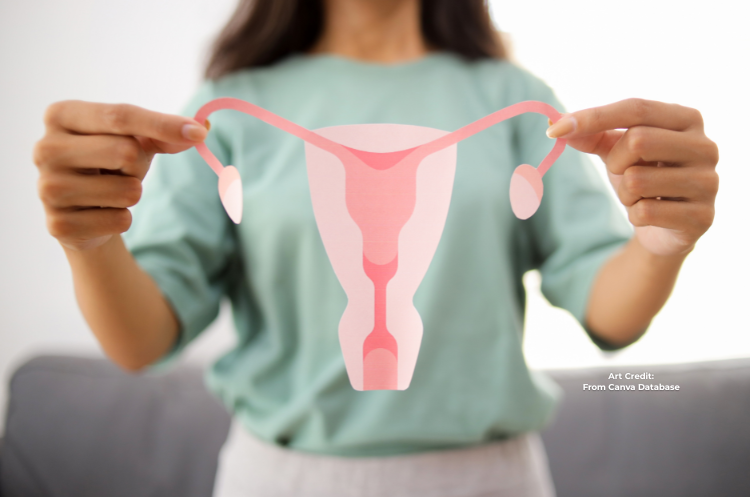
Facing a hysterectomy can raise many questions about how your body will move through perimenopause. In this post I explain what changes to expect, how different types of surgery affect hormones, what symptoms may still appear, and practical steps to support recovery and wellbeing. The aim is clear, compassionate information you can use to make informed choices.
Surgery affects your body, but your habits can affect your recovery. The way you respond to symptoms, the habits you rebuild afterwards, and how you interpret the signals from your body all influence how this transition unfolds.
What Happens to Perimenopause After a Hysterectomy?
If your uterus is removed but your ovaries remain in place, your ovaries continue to produce hormones. That means your body can still experience the hormonal fluctuations of perimenopause, even though you will no longer have menstrual bleeding to signal the cycle. Tracking symptoms such as mood changes, breast tenderness or sleep shifts can help you notice those hidden cycles and avoid misdiagnosis or inappropriate treatments.
Without bleeding as a monthly marker, many women initially feel disconnected from their hormonal rhythm. A simple behavioural strategy is to start observing patterns: energy changes, sleep quality, cravings, irritability, or breast tenderness often repeat in recognisable cycles. Paying attention to these patterns can restore a sense of understanding and control.
If both ovaries are removed at the time of surgery, hormone production falls suddenly and you enter surgical menopause. This abrupt change can cause more intense symptoms than the gradual transition of natural perimenopause, and it often requires more active medical support to manage symptoms effectively.
The Difference Between Partial and Total Hysterectomy for Hormonal Health
A partial (subtotal) hysterectomy removes the uterus while leaving the cervix; a total hysterectomy removes both uterus and cervix. Crucially for hormones, what matters most is whether the ovaries are conserved. Preserving ovaries generally maintains ongoing ovarian hormone production and a continuing, though sometimes altered, perimenopausal course. Removing ovaries causes an immediate fall in oestrogen and progesterone and may lead to a rapid onset of menopausal symptoms and health risks that warrant specific follow up care.
Understanding the surgical terminology can reduce confusion when discussing options with clinicians. Many women assume that removing the uterus automatically means menopause. In reality, ovarian removal is what determines the hormonal shift. Knowing this distinction can help you ask clearer questions and prepare for the changes ahead.
Can You Still Experience Perimenopause After a Hysterectomy?
Yes, you can. When ovaries remain, the hormonal rollercoaster of perimenopause can continue without the monthly cue of bleeding. Many women report cyclical symptoms that repeat monthly even after hysterectomy, and recognising these patterns helps in planning symptom relief and conversations with clinicians.
Things can feel confusing at first. Without periods, symptoms such as fatigue, irritability, food cravings, or sleep disruption may appear random. Tracking them in a simple journal or app can reveal patterns that were previously made obvious by bleeding.
On the other hand, surgical removal of ovaries shortcuts the perimenopausal stages and brings about menopause suddenly, which can make symptoms stronger and longer lasting unless appropriately managed with lifestyle measures and, where suitable, hormone therapy.
Understanding Symptoms and What to Expect
Symptoms after a hysterectomy vary widely. You might notice:
- Hot flushes, night sweats, or sleep disruption.
- Mood changes, brain fog or low energy.
- Vaginal dryness and changes to sexual comfort.
- Joint aches or shifts in weight and metabolic health.
For many women who go through natural perimenopause, symptoms are mild or intermittent. However, if surgery causes sudden hormone loss, symptoms may be more pronounced and need active management. Tracking symptom patterns and duration can be especially helpful because perimenopausal symptoms can last several years for some women before settling into the postmenopausal phase.
Behaviour plays a quiet role here. Sleep routines, meal patterns, physical activity, and stress regulation influence how strongly symptoms are felt. While they cannot remove hormonal shifts, they can soften the impact and help stabilise daily energy and mood.
Does a Hysterectomy Impact the Timing or Severity of Perimenopause?
Yes, it can. If ovaries are removed, the timing is immediate; menopause starts at the time of surgery. If ovaries remain, the timing of natural perimenopause is not directly changed by removing the uterus, though women sometimes report subtle differences in symptom patterns. The severity of symptoms depends on whether hormone levels fall suddenly or decline gradually, and on individual factors such as prior health, age, and lifestyle.
Lifestyle patterns accumulated over years also influence how the body responds. Nutritional adequacy, muscle mass, metabolic health, sleep quality, and stress levels all shape resilience during hormonal transitions. Strengthening these foundations can make the adjustment smoother.
Can a Hysterectomy Help or Worsen Perimenopausal Symptoms?
A hysterectomy may help relieve symptoms linked directly to uterine issues, such as heavy bleeding or severe period pain. However, it will not eliminate hormone driven symptoms if ovaries are left in place, and removing ovaries can introduce new or intensified menopausal symptoms. Decisions about surgery should weigh symptom relief against potential hormonal consequences, and consider non surgical options and post operative supports where appropriate.
It can also be emotionally complex. Some women feel relief after surgery; others experience grief, uncertainty, or a sense that their body has changed. These responses are normal. Giving space for adjustment, both physically and emotionally, is part of the recovery process.
Navigating Life After Hysterectomy: Hormones, Wellbeing, and Next Steps
Practical steps after surgery include:
- Keep a symptom diary to identify hidden cycles or abrupt changes.
- Discuss hormone replacement options and timing with your GP or gynaecologist if you experience sudden ovarian failure or severe symptoms.
- Prioritise sleep, gentle activity, and stress management to reduce symptom burden.
- Connect with a trusted nutrition or medical professional if you have concerns about weight management, bone, heart or mental health as hormones change.
Early follow up and a clear care plan help reduce uncertainty and support recovery.
Behavioural Nutrition Strategies for Recovery and Resilience
Behavioural nutrition focuses on small, practical habits that support healing and long term health. Strategies that commonly help include:
- Regular, balanced meals with a focus on protein and colourful plant foods to support energy and tissue repair.
- Mindful eating practices and routine meal timing to stabilise blood sugar and mood.
- Gradual reintroduction of strength building movement to protect bone and muscle health.
- Practical goal setting and social support to embed sustainable changes and reduce isolation.
Recovery is rarely about one perfect action. It is about consistent, supportive behaviours that help the body rebuild strength and stability over time.
Safety note on supplements: some nutrients may ease recovery or symptom burden, but always discuss supplements with your GP or registered nutritionist first, especially after surgery or if you take other medications. This ensures safety, correct dosing, and suitability for your individual health status.
Final Thoughts
Hysterectomy and perimenopause intersect in different ways depending on whether your ovaries are removed. Knowing what to expect, tracking your symptoms, and building a practical plan for nutrition, movement and medical follow up gives you the best chance of a smoother transition.
Small daily habits often shape recovery more than dramatic changes. Nourishing food, steady movement, restorative sleep, and supportive medical guidance create a foundation that helps the body adapt to hormonal shifts.