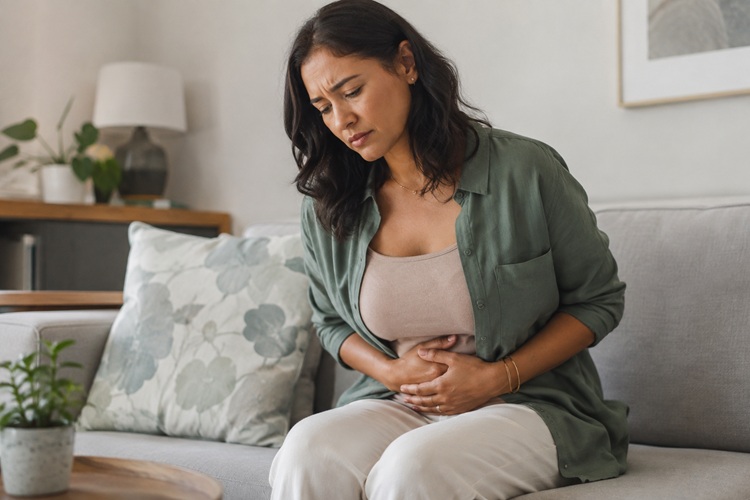
Have you noticed changes in your digestion during perimenopause, such as bloating, constipation, diarrhoea or a change in your usual bowel habits?
Hormonal changes may play a role. Research suggests that gastrointestinal symptoms can change during the menopause transition, although the relationship is complex and not yet fully understood. Stress, sleep disruption, diet, medications and existing digestive conditions can also influence what’s happening in your gut.
How Perimenopause Affects Your Digestive System
Perimenopause involves substantial fluctuations in ovarian hormones, and these hormones interact with the gastrointestinal tract.
Oestrogen and progesterone receptors are found throughout the digestive system, and sex hormones can influence gut motility, sensitivity and other aspects of gastrointestinal function. Progesterone, for example, can slow gastrointestinal motility, although the effects of sex hormones on digestion are complex and vary depending on the hormone, tissue and individual.
Research also suggests that gastrointestinal symptoms can fluctuate alongside reproductive hormone changes. Women with IBS, in particular, may notice changes in abdominal pain, bloating or bowel habits at different points in their menstrual cycle.
That doesn’t mean every new digestive symptom during perimenopause is caused by hormones. Diet, stress, sleep, medications, physical activity and existing gastrointestinal conditions can all contribute.
Common Bowel Changes During Perimenopause
Some women notice changes such as:
- Bloating after meals or at particular times of the menstrual cycle
- Constipation, including harder stools, straining or feeling that you haven’t completely emptied your bowel
- Diarrhoea or looser stools
- Changes in bowel frequency
- Increased gas or abdominal discomfort
- Changes in symptoms associated with IBS or other digestive conditions
The available research suggests that gastrointestinal symptoms can occur during the menopause transition, but we still don’t have a clear picture of how common each individual symptom is or exactly how much is attributable to hormonal changes.
Why Does Digestion Change in Midlife?
There probably isn’t one single explanation.
Hormonal fluctuations may influence gastrointestinal motility and how the gut responds to sensations. Progesterone can slow gastrointestinal movement, while changes in ovarian hormones may also affect gut-brain signalling and symptom sensitivity.
Other factors can become more relevant during the same period. Poor sleep, stress, changes in physical activity, medications and changes in eating patterns can all affect bowel function.
The gut microbiome is another area of interest. Menopause may be associated with changes in the composition of gut bacteria, but researchers are still working out what these changes mean for symptoms and long-term health.
Claims that perimenopause directly causes “leaky gut” or that increased intestinal permeability is responsible for new food sensitivities are currently much less established and shouldn’t be presented as settled science.
Typical Bowel Symptoms: From Constipation to Frequent Movements
You may notice:
- Constipation: Hard or infrequent stools, straining or a feeling of incomplete emptying.
- Diarrhoea or alternating bowel patterns: Some people experience looser stools or a change between constipation and diarrhoea.
- Gas and bloating: Abdominal distension, pressure or increased flatulence can be particularly frustrating.
- Urgency or discomfort: Changes in bowel habits can make everyday activities less predictable.
Some women also notice that symptoms follow a pattern during their menstrual cycle. Keeping a simple symptom diary for a few weeks can help identify whether there is a relationship between your cycle, food, stress and bowel symptoms.
Can Perimenopause Cause Digestive Problems?
It can contribute to digestive changes, but it is rarely useful to assume that perimenopause is the only cause.
Hormonal fluctuations can affect gastrointestinal motility and the way the gut processes and perceives sensations. Existing conditions such as IBS may also change during the menopause transition.
This is one reason persistent or significant digestive symptoms deserve proper assessment rather than automatically being labelled a “hormonal gut”.
Blood in Stool and Other Warning Signs
Digestive symptoms shouldn’t automatically be attributed to perimenopause.
See your GP if you experience:
- Blood in your stool
- Black or very dark stools
- Unintentional weight loss
- Persistent or significant abdominal pain
- A persistent change in your usual bowel habits
- Ongoing diarrhoea or severe constipation
- Unexplained fatigue or weakness
Blood in the stool should always be assessed, even if you think you know the cause. Changes in bowel habits, abdominal pain and unexpected weight loss also warrant medical assessment.
What to Do About Bowel Discomfort in Perimenopause
The right approach depends on what’s causing the symptoms. There is no single “perimenopause gut” treatment.
Movement and Daily Habits
Regular physical activity can support bowel function and has plenty of other benefits during midlife. Walking, cycling, swimming, resistance training and other activities can all count.
Stress can also influence gastrointestinal symptoms through the gut-brain connection. If stress appears to make your symptoms worse, relaxation techniques, adequate downtime and psychological support may be useful.
Sleep matters too. Poor sleep can affect gastrointestinal symptoms, pain sensitivity and the way we respond to stress.
Nutrition, Hydration and Lifestyle Tips for Gut Health in Midlife Women
Hydration: Adequate fluid intake can help support normal bowel function, particularly when increasing fibre. There isn’t one magic amount that every woman needs, so rather than prescribing 1.5–2 litres for everyone, consider thirst, climate, activity and individual needs.
Fibre: Gradually increasing fibre from foods such as vegetables, fruit, legumes, whole grains, nuts and seeds can help with constipation and overall digestive health. Increase fibre gradually if your current intake is low, particularly if bloating is already an issue.
Plant variety: Eating a varied range of plant foods provides different types of fibre and other compounds that interact with the gut microbiome. Variety is useful, but you don’t need to turn your diet into a microbiome science project.
Food triggers: Some foods can worsen symptoms in people with IBS or other gastrointestinal conditions. Dairy, wheat, high-FODMAP foods and fatty meals can be triggers for some people, but that doesn’t mean everyone needs to remove them.
If you suspect a food is causing symptoms, look for consistent patterns rather than eliminating multiple foods at once. A dietitian or appropriately qualified nutrition professional can help you investigate symptoms without unnecessarily restricting your diet.
Supplements: Magnesium can help some people with constipation, depending on the type and dose, but it isn’t appropriate for everyone. Probiotics may help certain gastrointestinal symptoms in some people, but effects are strain-specific and inconsistent. Omega-3 supplements aren’t a general treatment for constipation, bloating or other bowel symptoms.
If symptoms are persistent, it’s better to work out what is causing them before reaching for a collection of supplements.
Important: New, persistent or unexplained bowel symptoms should be assessed by a healthcare professional rather than automatically attributed to perimenopause.
Final Thoughts
Digestive changes can happen during perimenopause, and hormonal fluctuations may be part of the explanation. But your gut has plenty of other things going on at the same time.
Pay attention to patterns in your bowel habits, menstrual cycle, food, stress and sleep. If symptoms persist, become disruptive or come with warning signs, get them properly investigated rather than assuming they’re simply another part of perimenopause.