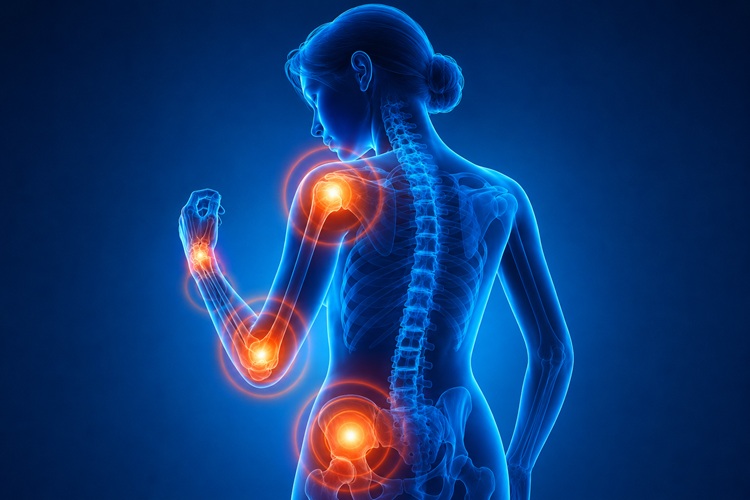
Perimenopause brings substantial hormonal changes, and research suggests the menopause transition may also be associated with changes in systemic inflammation. However, inflammation is only one piece of the picture. Symptoms such as fatigue, joint aches, poor sleep and brain fog can have many causes during midlife.
Understanding what we know about inflammation during perimenopause can help you make sense of the changes happening in your body and focus on strategies that support your health.
Understanding Inflammation and Perimenopause: What’s the Link?
Inflammation is part of the immune system’s normal response to infection, injury and other threats. It is useful in the short term, but persistent systemic inflammation can contribute to a range of chronic health conditions.
Research suggests that inflammatory markers can change during the menopause transition. A recent analysis from the Study of Women’s Health Across the Nation (SWAN), which followed women over more than two decades, found several patterns of change in high-sensitivity C-reactive protein (hs-CRP) and interleukin-6 (IL-6) around the menopause transition. The changes were not the same for every woman.
This distinction matters because perimenopause itself does not mean that your body is chronically inflamed.
Hormonal fluctuations, changes in body composition, sleep disruption, stress, physical activity and existing health conditions can all influence inflammatory markers. Some of these factors can also change during perimenopause, making it difficult to separate the effects of hormonal transition from everything else happening at the same time.
Why Inflammation Can Change During Perimenopause
Oestrogen interacts with the immune system and has complex effects on inflammatory pathways. As oestrogen levels fluctuate and eventually decline during the menopause transition, these interactions change too.
However, it is too simplistic to say that falling oestrogen automatically causes chronic inflammation. Inflammatory markers are influenced by many factors, including body fat, metabolic health, sleep, smoking, physical activity and underlying illness.
The menopause transition may therefore be one contributor to changes in inflammation rather than a single explanation for them.
Hormonal Changes and Their Impact on the Body
Ovulation becomes less predictable during perimenopause. As a result, progesterone production can become more variable, while oestrogen can fluctuate substantially from cycle to cycle.
These hormonal changes can contribute to symptoms such as changes in bleeding patterns, sleep disruption, headaches, hot flushes and mood changes. They may also interact with immune and inflammatory pathways, although the relationship is complex and still being studied.
Your gut microbiome is another area of active research. Hormones can influence the gut microbiome, and the microbiome can interact with immune function. However, it is still too early to conclude that changes in the gut microbiome during perimenopause are a major cause of systemic inflammation or perimenopausal symptoms.
Recognising Signs of Inflammation in Midlife
There is no specific set of symptoms that can tell you that you have chronic inflammation.
Symptoms sometimes associated with inflammatory conditions include:
- Persistent joint pain, swelling or stiffness
- Unexplained or persistent fatigue
- General feelings of being unwell
- Swelling or tenderness associated with a specific inflammatory condition
- Symptoms of an existing autoimmune or inflammatory disease becoming more active
However, many common perimenopause symptoms, including brain fog, headaches, sleep problems, anxiety, irritability and changes in menstrual bleeding, are not specific signs of inflammation.
Heavy or painful periods, for example, should not automatically be attributed to inflammation. Changes in bleeding during perimenopause are common, but unusually heavy, prolonged or frequent bleeding should be discussed with your GP because conditions such as fibroids, polyps, adenomyosis and endometrial problems can also cause these symptoms.
Can Perimenopause Cause High Inflammation or CRP Levels?
C-reactive protein (CRP) is a protein produced by the liver in response to inflammatory signals and is commonly used as a blood marker of systemic inflammation.
Research suggests that inflammatory markers can change during the menopause transition, although the pattern varies between individuals. Higher CRP can also be associated with factors such as higher body fat, infection, smoking and chronic health conditions.
An elevated CRP therefore does not automatically mean that perimenopause is causing inflammation.
There is another important consideration if you use menopausal hormone therapy. Oral oestrogen can increase CRP because of its effects on the liver, while studies have generally found much smaller or no significant changes in CRP with transdermal oestradiol. This means CRP results need to be interpreted in the context of the type of hormone therapy you use.
If you have an elevated CRP, your GP can help determine whether further investigation is appropriate rather than assuming the result is simply part of perimenopause.
Practical Ways to Support Healthy Inflammation During Perimenopause
There is no special “anti-inflammatory” protocol required for perimenopause. The same foundations that support cardiovascular, metabolic and overall health can also help maintain a healthy inflammatory response.
Nutrition, Lifestyle and Anti-Inflammatory Strategies
1. Eat a varied, minimally processed diet
Build meals around a variety of foods, including:
- Vegetables and fruit
- Whole grains and other high-fibre carbohydrates
- Beans, lentils and other legumes
- Nuts and seeds
- Fish and other sources of protein
- Unsaturated fats such as olive oil
Rather than focusing on eliminating individual foods, look at the overall pattern of your diet.
2. Get plenty of fibre and plant variety
Fibre supports digestive and metabolic health and provides fuel for many of the bacteria living in the gut.
Include a variety of plant foods across the week rather than becoming fixated on achieving a particular number. Fermented foods such as yoghurt, kefir, sauerkraut and kimchi can also be included if you enjoy and tolerate them.
3. Keep moving
Regular physical activity has benefits for cardiovascular health, metabolic health, mood, sleep, muscles and bones.
Walking, cycling, swimming, resistance training and other activities can all have a place. Strength training is particularly valuable during midlife because maintaining muscle and bone strength becomes increasingly important as oestrogen levels decline.
4. Take sleep seriously
Sleep disruption is extremely common during perimenopause, particularly when night sweats, anxiety, changing sleep patterns or other symptoms are involved.
Improving sleep may therefore be more useful than trying to find an “anti-inflammatory” supplement.
5. Address stress without turning it into another job
Chronic psychological stress can influence immune and inflammatory pathways, while perimenopause itself can make stress harder to manage.
Relaxation techniques, exercise, time outdoors, mindfulness, creative activities and adequate downtime can all be useful. The best strategy is the one you can actually fit into your life.
Supplements and Evidence-Based Support Options
Supplements are sometimes promoted as a way to “reduce inflammation”, but the evidence varies considerably depending on the nutrient, dose and individual circumstances.
- Omega-3 fatty acids: Fish and other sources of omega-3 fats can form part of a healthy dietary pattern. Supplements may have specific uses, but they are not a universal treatment for inflammation.
- Magnesium: Magnesium is important for normal muscle and nerve function, but taking extra magnesium does not automatically reduce systemic inflammation. Supplementation may be appropriate when intake is inadequate or for a specific clinical reason.
- Zinc: Zinc is essential for normal immune function, but more is not necessarily better. Long-term high-dose supplementation can cause problems, including copper deficiency.
- Probiotics: Some probiotic strains have been studied for specific health outcomes, but probiotics should not be treated as a general-purpose treatment for inflammation.
WARNING: If you are considering supplements, particularly if you take medication or have an existing health condition, discuss them with your GP or an appropriately qualified nutrition professional. More supplements do not necessarily mean better health.
Final Thoughts
Inflammation appears to be one of the biological changes that can occur during the menopause transition, but it is only part of a much bigger picture.
Hormonal fluctuations, sleep, stress, body composition, metabolic health, physical activity and existing health conditions can all influence how you feel during perimenopause and what happens to inflammatory markers.
Rather than trying to “fight inflammation” with restrictive diets or a cupboard full of supplements, focus on the foundations that support your health: nourishing food, regular movement, adequate sleep, stress management and appropriate medical care when symptoms need investigating.