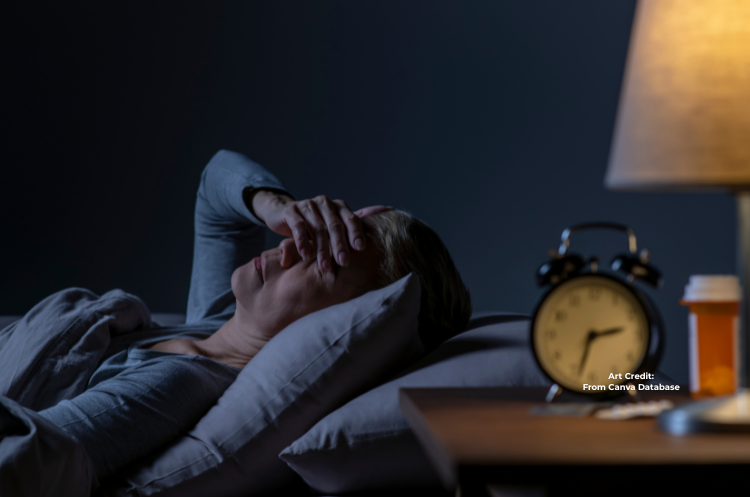
Insomnia and perimenopause often arrive together, leaving many women awake and anxious about why sleep has changed. This post explains the common causes, patterns to watch for, and practical approaches you can try tonight to improve rest, based on current practice and nutritional strategies.
Sleep disruption during perimenopause is not only hormonal, it is behavioural as well. Daily habits, stress patterns, meal timing, light exposure and evening routines all influence how easily the brain shifts into restorative sleep. Understanding both the biological and behavioural drivers of insomnia helps you identify realistic changes that support better rest.
Why Insomnia Is So Common During Perimenopause
Sleep changes in perimenopause are common because fluctuating hormones affect several systems that control sleep. Oestrogen and progesterone influence body temperature, mood and the balance of sleep promoting neurotransmitters. When these hormones become unpredictable, sleep quality often worsens.
These hormonal effects combine with other midlife pressures, including busier schedules, caregiving responsibilities, increased stress and inconsistent sleep routines. What begins as occasional wakefulness can gradually become persistent insomnia if the body remains in a heightened stress state.
For many women, this phase is temporary and sleep often improves after menopause.
What Causes Sleep Disturbances in Perimenopausal Women?
Perimenopausal sleep disturbance is rarely caused by a single factor. Several threads usually weave together:
- Night sweats and hot flushes that wake you repeatedly.
- Hormonal changes that alter body temperature regulation and sleep patterns.
- Increased anxiety or mood changes that lead to racing thoughts at night.
- Disrupted circadian rhythm from lifestyle patterns such as shift work, alcohol consumption or later bedtimes.
These causes often interact. For example, night sweats fragment sleep, which increases daytime fatigue and anxiety. Heightened stress then raises sensitivity to further temperature changes or emotional triggers.
Behaviourally, poor sleep can create reinforcing cycles. A bad night leads to extra caffeine, late naps or irregular bedtime habits, which then make the following night more difficult.
Hormonal Changes and Their Impact on Sleep
Oestrogen helps regulate body temperature and supports neurotransmitters involved in sleep. Progesterone has calming, sleep promoting qualities. When both fluctuate or fall, you may notice more awakenings, lighter sleep and difficulty returning to sleep after an episode of night sweats.
For some women, hormone therapy or targeted progesterone can be helpful for sleep and night sweats when prescribed under clinical guidance.
The Role of Anxiety, Night Sweats and Lifestyle Factors
Anxiety can make falling back to sleep difficult, even when the original trigger has passed. Night sweats are a frequent cause of mid sleep awakenings, and lifestyle habits such as late caffeine intake, alcohol, irregular bedtimes or night time eating can worsen both sleep quality and circadian rhythm alignment.
Practical changes to the bedroom environment and evening habits are often high impact. Cooling the room, limiting late screen exposure and avoiding heavy meals close to bedtime are frequently recommended strategies.
Behaviourally, creating a predictable evening rhythm helps the brain recognise when it is time to sleep.
Recognising Patterns: When Insomnia Strikes Most
Paying attention to patterns helps identify triggers and solutions. Track when you sleep poorly, what preceded the night, and any accompanying symptoms such as hot flushes or mood changes.
Common patterns include:
- Early morning waking that leaves you unrefreshed.
- Frequent awakenings after night sweats.
- Difficulty initiating sleep on nights of heightened worry.
- Episodes that coincide with higher alcohol intake or late caffeine consumption.
Tracking these patterns can reveal links between lifestyle habits, hormonal timing and sleep disruption.
Insomnia Before Period and Around Ovulation
Many women notice that sleep worsens at particular cycle phases. Insomnia can intensify in the week before a period or around ovulation, when hormonal fluctuations are larger.
Recognising these windows allows you to anticipate vulnerable nights and support sleep more intentionally. For example, prioritising earlier wind down routines, limiting alcohol and caffeine, and scheduling relaxation strategies on those evenings.
Is Insomnia a Sign or Symptom of Perimenopause?
Insomnia is primarily a symptom of the perimenopausal transition rather than a diagnostic sign on its own. However, new onset or persistent sleep problems in midlife should prompt a review with a healthcare professional to rule out other causes such as thyroid dysfunction, sleep apnoea or mood disorders, especially when sleep is severely disrupted.
How to Manage Insomnia During Perimenopause
Managing insomnia combines behavioural approaches, sleep hygiene, targeted nutrition and, when needed, medical treatments. Start with foundational habits and add further strategies if sleep does not improve.
Natural Remedies and Lifestyle Adjustments
- Establish a consistent sleep wake schedule and maintain it even on weekends.
- Create a cool, dark and quiet bedroom environment. Earplugs, eye masks or fans may help when night sweats occur.
- Wind down for 30 to 60 minutes before bed with calming activities such as reading, gentle stretching or breathing exercises.
- Avoid caffeine after midday and limit alcohol, as alcohol fragments sleep cycles.
- Get natural daylight in the morning and move your body during the day to reinforce circadian rhythm alignment.
- Consider cognitive behavioural therapy for insomnia (CBT-I), an evidence based approach that addresses the thoughts and behaviours that maintain poor sleep.
Behaviourally, consistency is more important than perfection. Small, repeated actions help retrain the brain’s sleep rhythm.
Supplements and Evidence-Based Treatments
Some supplements have supportive evidence for sleep, including magnesium, glycine, taurine and low dose melatonin. These are commonly used to support sleep onset and sleep quality. Glycine taken before bed has been shown in some research to assist sleep initiation.
Hormone treatments, including progesterone, can also improve night sweats and sleep for some women when prescribed appropriately.
For chronic or severe insomnia, referral to a sleep clinic may be helpful. Short term prescription medications may be used under medical supervision. Long term reliance is generally discouraged due to side effects and dependency risks.
Safety Disclaimer: This information is educational only. Always speak with your GP or a qualified healthcare professional before starting any supplement, medication or hormonal treatment to ensure it is safe and appropriate for you.
When to Seek Professional Help for Sleep Issues
Seek prompt medical review if you experience:
- Loud snoring, gasping or witnessed pauses in breathing, which may indicate sleep apnoea.
- Severe, persistent insomnia affecting daytime functioning.
- New or worsening mood symptoms, severe anxiety or suicidal thoughts.
- Concerning physical symptoms such as unexplained weight change, excessive thirst or palpitations.
A GP can assess underlying causes, arrange blood tests or refer to specialists such as sleep physicians, gynaecologists or mental health professionals when appropriate.
Behavioural Nutrition Strategies for Better Sleep in Perimenopause
Behavioural nutrition focuses on sustainable eating and lifestyle habits that support sleep biology. Aim to:
- Eat regular, balanced meals containing adequate protein and healthy fats to stabilise overnight blood sugar levels.
- Maintain consistent meal timing and avoid heavy or spicy meals close to bedtime.
- Address nutrient gaps carefully. If magnesium or vitamin D levels are low, testing and guided supplementation can be considered.
- Reduce evening alcohol and refined sugar intake, which can disrupt sleep patterns..
Small, consistent nutritional adjustments combined with healthy sleep routines often lead to measurable improvements within weeks.
Final Thoughts
Insomnia and perimenopause can feel relentless, but practical and evidence based strategies can support better sleep. Start with consistent routines, cooling strategies for night sweats and thoughtful nutritional support. When sleep remains poor, professional assessment can help identify additional solutions.