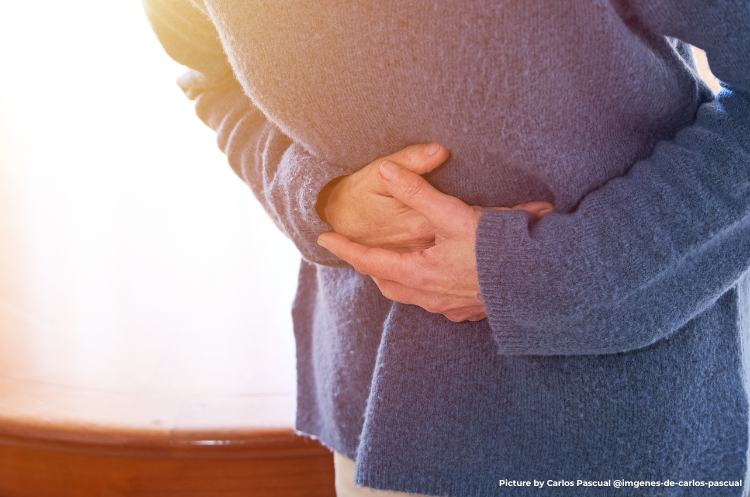
Thought cramps were only a period problem? Many women are surprised (and frustrated) to find pelvic cramps sticking around—or even getting worse—during perimenopause. This transition phase isn’t just about hot flushes and mood swings; fluctuating hormones can make your uterus, gut, and muscles more reactive.
So why does it happen, what does it mean, and what can you do about it? Let’s break it down.
How Hormonal Changes in Perimenopause Affect Cramps
During perimenopause, estrogen and progesterone stop playing by predictable rules. Instead of a smooth decline, these hormones surge and dip, sometimes wildly. This instability can trigger cramping in several ways:
- Estrogen surges – stimulate uterine lining growth, leading to heavier periods and stronger cramps.
- Low progesterone – reduces its natural calming effect on uterine muscle contractions.
- Prostaglandins – hormone-like compounds that cause uterine contractions often spike, driving painful cramps.
Put simply: your body is adjusting to hormonal chaos, and cramps are one way it signals the turbulence.
What Do Perimenopause Cramps Feel Like? Recognizing the Symptoms
Cramps might feel different now compared to your twenties. This kind of abdominal pain in perimenopause can be:
- More intense or sharper
- Lasting longer (sometimes even before your period starts)
- Associated with heavier periods or clotting
- Paired with back, muscle, or joint aches
Generally, “normal” perimenopausal cramps respond to over-the-counter painkillers and don’t sideline you completely. But severe cramps that linger or disrupt your life signal it’s time to check in with a healthcare professional.
Are Cramps Worse or More Frequent During Perimenopause?
Yes—unfortunately, many women find cramps return or ramp up during this transition. If you remember rough period pain from your teens, you might notice a déjà vu effect. The culprit? Hormone swings, particularly lower progesterone letting those inflammatory molecules run wild.
You might even get cramps between periods. Why? It’s just one of many ways your body responds to this phase’s unpredictable hormone shifts and heightened inflammation.
How Long Do Perimenopause Cramps Last?
Cramps can become more erratic—showing up days before your period, lingering through it, or in some cases, hanging around longer than you remember. Because cycles can get shorter, longer, or just plain unpredictable in perimenopause, cramps tend to follow suit.
Why Perimenopause Can Cause Cramps All Mont
With hormones swinging and inflammation simmering, cramps sometimes pop up even when you’re not bleeding. This can be due to your uterus responding to the ups and downs, or sometimes because of other aches and pains (hello, muscle and joint soreness) becoming more noticeable in perimenopause.
Beyond the Uterus: Other Causes of Cramps in Perimenopause
Cramps aren’t always just “period pain.” Perimenopause can create other triggers too:
- Digestive cramps: Fluctuating hormones affect gut motility and can increase bloating or IBS-like symptoms.
- Muscle cramps: Falling estrogen is linked to lower magnesium levels, which can increase leg, lower back or muscle cramps.
- Fibroids or endometriosis: These conditions often flare or change with hormonal shifts, worsening cramps.
- Poor sleep, stress & cortisol: Chronic stress can amplify inflammation and tension, intensifying cramp sensations.
Leg and Muscle Cramps: Are They Linked to Perimenopause?
Absolutely—muscle and joint aches can actually be more common than hot flushes. As estrogen and progesterone fall, your body loses their natural anti-inflammatory effects, which can trigger muscle and leg cramps, back pain, or even migraines.
Disrupted sleep (another lovely perk of perimenopause) can make all pain feel worse! Poor sleep heightens pain sensitivity by amplifying cortisol and inflammation, creating a vicious cycle of fatigue and discomfort.
When Are Severe Cramps a Cause for Concern?
If your cramps suddenly change, last longer, or become severe enough to interfere with daily life, it’s time to seek help. Cramps not settling with simple medication, that wake you up at night, or that force you to miss work may suggest an underlying issue such as fibroids or endometriosis, which also tend to worsen or show up during perimenopause.
Perimenopause Cramps vs. Menstrual Cramps: Key Differences
- Timing: Compared to the familiar period pain during the menopause transition, perimenopause cramps are often less predictable. They may show up before, during, or between periods.
- Severity: They can be more intense thanks to the lack of “calming” progesterone.
- Associated Symptoms: Heavier bleeding, clotting, muscle and joint pains, and erratic cycles are all more common now.
Behavioral Nutrition Strategies for Managing Cramps in Perimenopause
The good news: there are plenty of ways to manage cramps naturally and effectively.
Daily Lifestyle Support
- Heat therapy: A hot water bottle or heat patch relaxes uterine and muscle contractions.
- Gentle movement: Walking, yoga, or stretching improves circulation and eases pelvic tension.
- Manage Stress and Sleep: Supporting your nervous system makes hormone transitions smoother and reduces cortisol (which can worsen cramps). Try mindful breathing, meditation, good sleep hygiene practices, and stress-reduction techniques.
Nutrition & Supplements
- Magnesium*: Relaxes muscles and helps regulate nerve function—supporting both uterine and leg cramps.
- Omega-3 fats*: Anti-inflammatory support (think wild-caught salmon, flaxseeds, walnuts).
- Vitamin B complex*: Supports hormone metabolism and may reduce PMS-like symptoms.
- Hydration + electrolytes: Prevents muscle cramping and eases bloating.
*Disclaimer: This information is for educational purposes only. Supplements should always be discussed with your nutritionist or GP to ensure safety, suitability, and the correct dosage for your individual needs.
Dietary Approaches
- Anti-inflammatory foods: Think colourful veggies, berries, turmeric, ginger, etc.
- Reduce high-histamine foods: For women sensitive to histamine, cutting back on aged cheeses, wine, and smoked meats can reduce cramps and bloating.
- Balance blood sugar: Steady meals with protein and fibre help stabilise hormones and energy, reducing cramp severity.
Does Dairy Make Perimenopause Cramps Worse?
There’s no strong scientific proof that cutting out dairy directly reduces cramps. Still, some women notice relief when they eat less of it. Possible reasons include:
- Inflammation: Prostaglandins (inflammatory compounds that trigger cramps) may ease when diets are lower in certain dairy products.
- Digestion: Perimenopause can affect how your gut handles lactose. If dairy causes bloating or gas, it can make cramps feel worse.
- Hormonal sensitivity: Dairy contains small amounts of natural hormones, which may bother women already sensitive to hormonal swings.
If You Cut Back on Dairy, Don’t Miss These Nutrients
- Calcium: Also found in leafy greens, tofu, almonds, fortified plant milks
- Magnesium: Also found in nuts, seeds, legumes
- Vitamin D: sunlight, wild-caught fatty fish, or supplements if needed
Bottom line: Dairy isn’t automatically “bad” for cramps — it’s about noticing how your body responds and adjusting if needed.
Should You Use Medication for Perimenopause Cramps?
Over-the-counter NSAIDs such as ibuprofen, naproxen (Naprogesic), or mefenamic acid (Ponstan) can reduce prostaglandins and ease cramps. But if you find yourself relying on them frequently, it’s worth seeking professional guidance for a more sustainable plan.
Medication can provide relief, but it works best alongside supportive lifestyle shifts. Dietary changes, better sleep, stress management, and targeted nutrition can all help reduce inflammation and ease cramps naturally—so you’re not left depending on painkillers every cycle.
Final Thoughts
Cramps in perimenopause are common but often misunderstood. They’re a sign of your hormones shifting—not of you “losing control”. With the right mix of lifestyle habits, nutrition, and supportive care, you can reduce their intensity and reclaim your comfort.
As you can see, navigating perimenopause isn’t about a quick fix or a rigid diet — it’s about understanding your body, reshaping habits, and creating a lifestyle that truly supports you.
If you’re ready to take those steps in a supportive, judgement-free space, join my free Facebook group [Beyond Diets | Nutrition & Lifestyle for Women in Perimenopause] — where knowledge turns into action, and habits turn into lasting change.