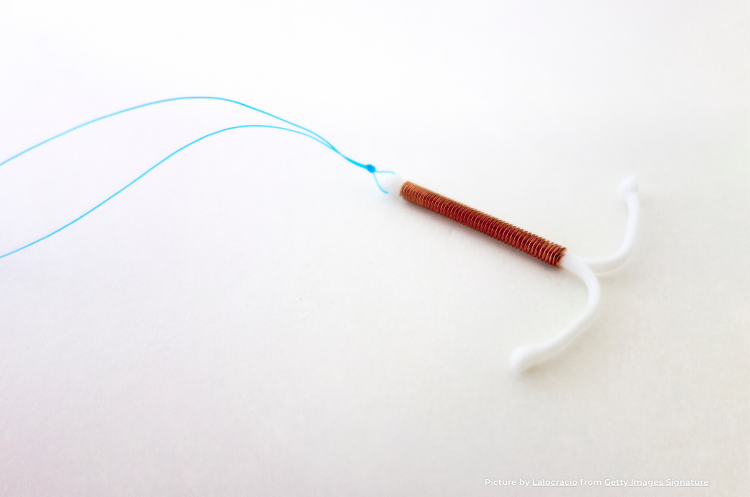
Navigating perimenopause comes with many unexpected shifts, and for those considering birth control options, the link between perimenopause and IUD use is a topic worth exploring. Whether you’re already using an IUD or wondering if it’s right for this new chapter, understanding how these devices can help, or sometimes complicate symptoms, is essential for confident, supported choices.
Understanding IUD Use During Perimenopause
The intrauterine device (IUD) is a popular birth control method that many women rely on throughout their reproductive years. During perimenopause, contraception remains necessary until menopause is confirmed, usually one to two years after your final period, depending on your age. IUDs, especially the hormonal types, are increasingly recommended as they offer both reliable birth control and additional benefits in this transitional phase.
Both copper and hormonal IUDs are options. The hormonal IUD, most commonly the Mirena, releases a low dose of progestin (levonorgestrel) directly into the uterus, helping manage specific perimenopausal symptoms beyond preventing pregnancy.
Key Benefits of an IUD for Perimenopausal Women
Choosing an IUD during perimenopause can come with a variety of advantages:
- Highly effective contraception, essential until menopause is fully reached
- Significant reduction in heavy menstrual bleeding, a frequent complaint during perimenopause
- Less daily management: A long-acting solution that doesn’t require remembering pills
- Preserves natural cycles: The hormonal IUD typically allows ovulation to continue, so your body’s fluctuating estrogen and progesterone cycles are not flatlined
Additionally, many experience less period pain and a lower risk of developing endometrial (uterine) abnormalities.
Perimenopause with Mirena: What to Expect
The Mirena IUD is a particularly popular option during this time. Here’s what you might experience with Mirena during perimenopause:
- Lightening or complete cessation of periods: Many women find their flow becomes lighter, or even stops, reducing the discomfort of heavy periods.
- Natural hormone rhythm continues: Since ovulation often persists, you might still notice symptoms like mood changes or breast tenderness.
- Significant drop in period pain and risk of anaemia, thanks to lighter or absent bleeding
However, it can sometimes mask the typical sign of menopause (no periods), making it trickier to confirm when you’ve transitioned. Instead, symptoms like hot flushes or vaginal dryness may help signal menopause has arrived, though hormone tests can be inconclusive.
Comparing Mirena and Other IUD Options
There are two main IUD types for women in perimenopause:
| Feature | Mirena (hormonal) | Copper IUD |
|---|---|---|
| Main action | Releases progestin, thickens mucus, | Copper ions inhibit sperm |
| thins uterine lining | ||
| Period changes | May reduce or stop periods | Can cause heavier, longer |
| or more painful periods | ||
| Impact on hormones | Some hormonal side effects possible | No effect on hormones |
| Duration | 5,7 years (brand dependent) | 5,10 years |
| Best for | Heavy,painful periods, hormone | No hormones, personal |
| sensitivities | preference |
It’s important to note that not everyone tolerates hormonal or copper IUDs in the same way. Decision-making should consider your medical history, symptoms, and personal preferences.
How an IUD May Affect Perimenopausal Symptoms
Many women choose an IUD to address some of the toughest perimenopause challenges:
- Heavy or erratic bleeding: Hormonal IUDs effectively lighten bleeding and may eliminate it.
- Pelvic pain or period cramps: These often improve or resolve with Mirena.
- Some side effects possible: Ovarian cysts, mood changes, hair thinning, and (rarely) skin breakouts. Most side effects are mild, but consult your GP if you have concerns.
- No impact on hot flushes or night sweats: Because the Mirena doesn’t deliver body-wide estrogen, it won’t affect these symptoms.
Keep in mind that while IUDs can manage specific symptoms, they don’t “treat” perimenopause as a whole, especially symptoms driven by fluctuating estrogen.
Real Experiences: Mirena for Perimenopause Reviews
Many women report positive outcomes with Mirena during perimenopause, such as freedom from heavy flow and relief from anaemia. Others appreciate the low-maintenance contraception and reduced period pain. However, some do experience nuisance side effects or spotting in the first few months.
Women also note that while bleeding may resolve, other perimenopausal symptoms, like sleep disruption, mood shifts, or hot flushes, may persist. Sharing experiences, discussing side effect management, and working with a knowledgeable GP helps maximise benefits and minimise frustrations.
When an IUD Doesn’t Work for You: Pain, Reactions & Difficult Experiences
Not every woman strolls out of her IUD appointment feeling like she’s unlocked a new level of reproductive freedom. Some have a very different story, and it deserves space too.
- Insertion pain can be intense, especially for those with a tilted uterus, a history of trauma, adenomyosis, or simply a sensitive cervix. Some women describe the procedure as “manageable,” while others feel blindsided by how sharp or overwhelming it can be.
- Persistent discomfort isn’t normal. Ongoing cramping, pelvic pressure, or a “something isn’t right” feeling can indicate the IUD isn’t sitting well, is irritating the uterine lining, or occasionally has shifted.
- Rejection and expulsion happen. In certain circumstances, your body may try to push the IUD out. This can show up as increased bleeding, strong cramps, or the device partially exiting through the cervix.
- Copper sensitivity or heavier periods. Some women see their periods become significantly heavier or more painful, which is the opposite of what they need in perimenopause.
- Hormonal side effects may happen. Mood dips, acne, bloating, or breast tenderness can show up, particularly in those who are already sensitive to hormonal fluctuations.
If your experience is difficult, your body just may not be compatible with that device. Listening to your symptoms and advocating for yourself is essential. If an IUD doesn’t feel right, there are other options, and you deserve a method that supports your wellbeing rather than adding to your stress.
_Listen to your body, and don’t hesitate to discuss any symptoms, old or new, with your healthcare professional. Everyone’s journey through perimenopause and IUD use is unique, and personalised support matters.
Behavioural Nutrition and Hormonal Balance: Supporting Your Journey
Supporting yourself nutritionally can ease the transition through perimenopause, whether you have an IUD or not. Focus on:
- Abundant vegetables and fibre to help the body clear hormones efficiently
- Sources of healthy fats, such as nuts, seeds, and oily fish, which support hormone production and reduce inflammation
- Quality protein for muscle, bone, and immune strength
- Regular, mindful meals to help stabilise mood and energy
Supplements, such as zinc, magnesium, or omega-3s, can be considered, but always discuss new supplements with a qualified professional before starting, especially in the context of perimenopausal changes and IUD use.
Rest, stress management, meaningful movement, and good sleep will also support a smoother perimenopausal transition.
Final Thoughts
Perimenopause and IUD use can complement each other remarkably well for many women, offering relief from some of midlife’s most troublesome symptoms. However, every experience is personal. The best results come when you combine up-to-date medical support, self-awareness, and tailored nutritional care.
If you’re ready to take those steps in a supportive, judgement-free space, join my free Facebook group Beyond Diets | Nutrition & Lifestyle for Women in Perimenopause, where knowledge turns into action and habits turn into lasting change.