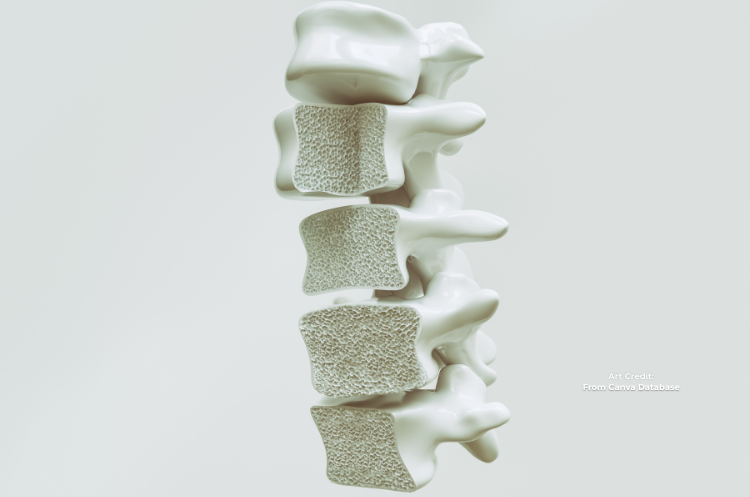
Perimenopause is a time of big change, and concerns about osteoporosis and perimenopause often surface as women notice shifts in their bodies. Understanding why bone health becomes more vulnerable now, and which practical steps help protect your skeleton, can make a real difference to long term strength and fracture risk.
What often gets missed is this: your choices can impact your bone health. The small, repeated decisions you make daily, how you eat, move, rest and respond to stress, quietly influence your bone trajectory over years.
Understanding the Link Between Osteoporosis and Perimenopause
Perimenopause is a sensitive window when hormone patterns change dramatically. These shifts affect more than periods and mood; they influence bone turnover and repair. Bones are living tissue that respond to hormones, inflammation and mechanical load, so changes during perimenopause can accelerate bone loss if nothing is done to support them.
Seeing perimenopause as a critical window helps explain why acting now matters. Midlife is not a time to panic, but it is a time to pay attention. Small lifestyle and dietary choices in midlife can shift your long term bone trajectory.
From a behavioural perspective, this stage is also when many women are juggling career pressure, ageing parents, teenagers, poor sleep and higher stress. Bone supporting habits often fall to the bottom of the list. Recognising this reality allows you to design habits that are realistic, not idealistic.
Why Bone Density Drops During Perimenopause
The fall in oestrogen that occurs across the menopause transition reduces the hormone’s protective effect on bone. Oestrogen normally helps maintain bone formation and suppress resorption. When levels become erratic and then decline, bone loss speeds up and muscle mass can fall too, reducing the mechanical protection bones enjoy.
Other factors make this effect more likely to matter. Chronic inflammation, insulin resistance, sedentary lifestyle, smoking and high alcohol intake all undermine bone strength. Tackling these issues supports bone resilience as hormone balance shifts.
Long periods of dieting, low protein intake, avoiding strength training, or under eating to control weight can reduce muscle mass and bone stimulus over time. The body adapts to the signals it receives. If those signals are restriction and low load, bones respond accordingly.
Hormonal Changes and Their Impact on Bone Health
Hormones do more than regulate periods; they influence collagen, bone cells and mineral balance. Progesterone loss and fluctuating oestrogen can impair repair and alter immune signals around bone tissue. In some cases, medical hormone therapy is considered to protect bone, particularly after early menopause or when risk factors are high. Any decision on hormone therapy should be taken with a clinician after weighing benefits and risks.
It is also important to understand that stress hormones such as cortisol influence bone. Chronic psychological stress, poor sleep and constant nervous system activation can increase inflammation and indirectly affect bone remodelling. Supporting bone health therefore includes regulating stress responses and lifestyle changes, not just taking supplements.
Recognising Early Signs of Bone Loss or Osteoporosis
Bone loss itself is usually silent until a fracture occurs, but there are clues that signal elevated risk:
- Height loss over time or a stooped posture.
- New, persistent back pain that could indicate a vertebral compression.
- History of low trauma fractures, for example, a fracture from a fall from standing height.
- Risk factors such as early menopause, smoking, long term steroid use, or very low body weight.
Screening with a DEXA scan may be appropriate if you have risk factors, but bone density numbers are only part of the picture. Assessing fracture risk should combine scans with clinical context and lifestyle factors.
A behavioural lens asks different questions too. Are you consistently avoiding resistance training because you feel intimidated? Are you under fuelling because of long held weight gain fears? Are you sedentary due to exhaustion, even though you value strength? These patterns matter just as much as a scan result.
How to Increase Bone Density During Perimenopause
Improving bone health is practical and doable. A combined approach of movement, nutrition and lifestyle changes gives the best chance of preserving or increasing bone density.
- Exercise that loads bone
- Aim for resistance training two to three times weekly and include weight bearing activities.
- Building muscle protects bones by taking load off joints and improving balance.
- Start where you are. Consistency matters more than intensity. A simple, repeatable routine performed weekly is more powerful than an ambitious plan abandoned after three weeks.
- Prioritise protein and whole foods
- Ensure adequate protein across the day to support muscle and bone repair. Spreading protein intake evenly can improve muscle synthesis.
- Focus on unprocessed, nutrient dense foods that reduce inflammation and supply bone building minerals.
- Notice restrictive food rules that may limit calcium rich or protein rich foods. Challenging these beliefs can improve both nutrition and bone support.
- Discuss targeted nutrients with a clinician
- Vitamin D supports calcium absorption while vitamin K2 helps guide calcium into bone rather than arteries. The combination of D3 and K2 is often highlighted for bone and cardiovascular safety. Typical supplemental ranges people discuss vary, and needs differ individually.
- Supplements support foundations; they do not replace strength training, adequate protein or overall dietary quality.
Nutrition Essentials: Bone Broth, Calcium and Vitamin D
Food first strategies work best for long term health. Aim to get calcium from dairy, oily fish, leafy greens, seeds and fortified foods before relying on supplements. Bone broth may contribute collagen and amino acids that support connective tissue, but it should complement a varied diet rather than replace core nutrients.
Vitamin D is frequently low in adults and supports calcium use. Where sun exposure is limited, supplementation is common, but the dose should be personalised. Remember, too much vitamin D or calcium may cause health concerns. Do not self-prescribe.
Equally important is eating enough overall. Chronic energy restriction can impair bone formation. Many midlife women unconsciously undereat during busy days, then feel frustrated with low energy. Adequate total intake is a quiet but essential pillar of bone preservation.
Safety disclaimer on supplements: This information is educational and not medical advice. Always discuss supplements with your GP or a registered nutritionist before starting them, especially if you take medications or have health conditions.
Exercise and Lifestyle Strategies for Stronger Bones
Movement and daily habits matter as much as specific nutrients. Key practical steps include:
- Resistance workouts to build muscle and bone strength.
- Balance exercises to reduce fall risk.
- Smoking cessation and limiting alcohol.
- Managing weight and metabolic health to avoid insulin resistance that can harm bone.
Regular movement also supports sleep and mood, creating a virtuous cycle that helps bone health indirectly. Behaviourally, stacking habits can help. For example, pairing strength exercises with an existing routine, such as after your morning coffee, increases follow through.
Sleep deserves attention too. Poor sleep increases cortisol and reduces recovery. A consistent sleep routine supports hormonal regulation, muscle repair and bone remodelling.
Preventing Osteoporosis: Practical Steps for Midlife Women
Prevention combines assessment with sustainable habits. Consider these action points:
- Review personal risk with your GP, especially if you had early menopause or other risk factors.
- Ask about appropriate bone density testing and how to interpret results within your overall health profile.
- Build a routine of strength training and weight bearing activity that fits your real week, not your ideal week.
- Optimise protein, vitamin D, calcium rich foods and overall nutrition.
- Address lifestyle risks: stop smoking, limit alcohol and manage chronic stress or poor sleep.
If risk is high, medical treatments can reduce fracture risk, and hormone therapy may be considered in some cases. These options require careful shared decision making with a clinician because they carry benefits and potential risks.
Final Thoughts
Osteoporosis and perimenopause are connected, but there is much you can do to protect your bones now. Small, consistent changes, regular strength work, a nourishing whole food diet, adequate protein and restorative sleep, add up to meaningful protection against bone loss.
Midlife is not just a time of hormonal transition. It is an opportunity to rebuild strength, physically and behaviourally.