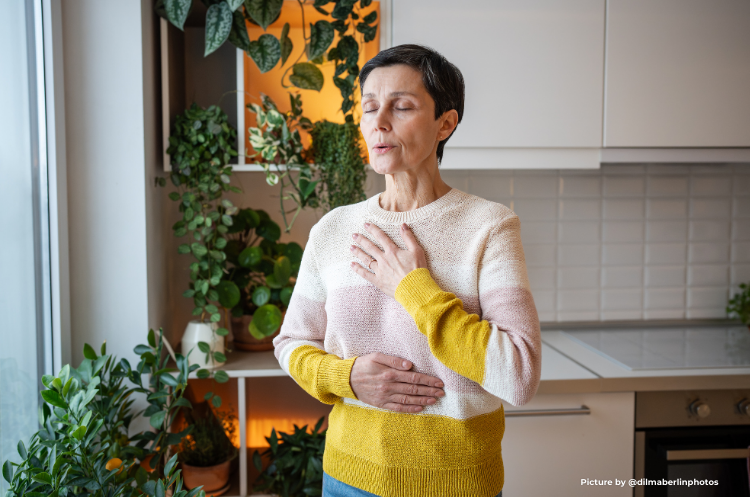
Shortness of breath can feel unsettling, especially when it seems to appear out of nowhere or tag along with the other curveballs of perimenopause. Whether you find yourself needing to pause mid-task or feeling unexpectedly winded during movement, this experience is more common than most women realise. Understanding why it happens and how to respond can make a world of difference to your confidence and day-to-day comfort.
Understanding Shortness of Breath During Perimenopause
Breathlessness, sometimes described as feeling “air hungry” or struggling to take a full inhale, is an under-recognised symptom during this phase of life. It may show up during exercise, while climbing stairs, in moments of stress, or even during rest.
Some women notice it comes and goes. Others feel it more consistently.
From a behavioural nutrition perspective, it often reflects the interplay between hormones, stress, sleep and lifestyle patterns.
Early awareness helps you understand what your body is communicating so you can respond rather than panic.
Why Perimenopause May Cause Breathlessness
Shortness of breath in perimenopause is usually linked to hormonal fluctuations, although several other factors also play a role.
How Hormonal Changes Influence Breathing
Oestrogen and progesterone influence far more than reproductive cycles. They support energy production, cardiovascular function and respiratory rhythm. When these hormones rise and fall more unpredictably:
- Oestrogen dips may affect how smoothly your respiratory muscles engage.
- Lower progesterone can influence your natural breathing rhythm, especially overnight.
- Heart palpitations, common during perimenopause, can create a sense of breathlessness.
- Changes in oxygen delivery may contribute to fatigue and subtle breathing changes.
Heavy or prolonged menstrual bleeding is also more common in perimenopause and may lead to iron deficiency. Low iron is a well-known cause of breathlessness, fatigue, dizziness and lower exercise tolerance.
Other Contributing Factors
Hormones are only part of the picture. Breathlessness can be intensified by:
- Poor sleep: Makes your body work harder during the day, making breathing feel less efficient.
- Stress and anxiety: These increase shallow breathing patterns and reduce lung expansion.
- Chronic inflammation: Rising inflammation in midlife can influence energy and breathing consistency.
- Modern lifestyle habits: Sedentary periods, higher cortisol, blood sugar swings and daily pressure all contribute.
- Underlying conditions: Asthma, thyroid changes and cardiovascular issues can overlap with perimenopause symptoms, so new or worsening breathlessness should be checked by a GP.
Recognising When Breathlessness Is Linked to Perimenopause
It is not always obvious whether shortness of breath is hormone related. These clues can help:
- Breathlessness appears alongside other midlife symptoms like sleep changes, hot flushes or mood shifts.
- It fluctuates throughout your cycle or improves on days when sleep and stress feel more manageable.
- You notice it more when you are tired, overwhelmed or have skipped meals.
If symptoms are sudden or severe, or include chest pain, fainting or swelling, seek urgent assessment.
What Women Commonly Report
Women in support groups and forums often describe:
- “Air hunger” after disrupted sleep
- Feeling winded during familiar exercise routines
- Anxiety spikes that resolve with slow breathing
- Needing to pause during basic household tasks
- Relief when medical tests return normal and the symptom is explained
Shared experiences can offer reassurance but always balance anecdotal stories with professional advice.
Practical Strategies for Managing Breathlessness
Supporting your breathing during perimenopause calls for a whole-body approach. Try:
- Gentle, regular movement: Walking, stretching or yoga restore confidence and improve lung efficiency.
- Protecting your sleep: Consistent bedtimes, light evenings and less screen time help regulate breathing patterns.
- Supporting iron levels: Include iron-rich foods such as legumes, spinach, pumpkin seeds and red meat. Pair plant foods with vitamin C for better absorption.
- Stress-modulating practices: Mindfulness, gentle exercise or breathing tools can regulate your nervous system. One example is the physiological sigh (two small inhales followed by one long exhale).
Disclaimer: Speak with a healthcare professional before taking supplements or making significant dietary changes, especially if breathlessness is ongoing.
Lifestyle Adjustments and Self-Care Tips
- Avoid triggers: Pace yourself, stay hydrated and limit excess caffeine if it worsens anxiety.
- Tune in to your body: Notice when breathlessness starts and use posture shifts or fresh air to reset your breathing.
- Prioritise rest: Pushing through fatigue can intensify shortness of breath, so give yourself permission to pause.
- Connection and support: Talking about your experience reduces anxiety and gives you access to practical ideas that may help.
Final Thoughts
Shortness of breath during perimenopause can feel unsettling, but understanding the common causes and responding with supportive habits can make breathing feel easier and calmer. Listening to your body, adjusting your routines and seeking help when needed will help you navigate this transition with greater confidence.
If you want support in a warm, judgement-free space, join my free Facebook community:
Beyond Diets | Nutrition and Lifestyle for Women in Perimenopause
where knowledge becomes action and everyday habits become long-term change.